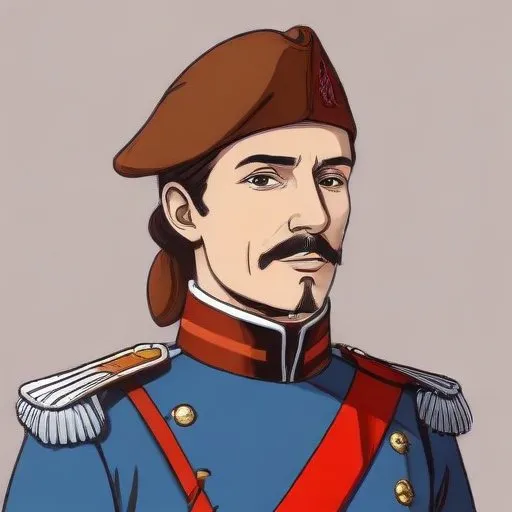
Franois de La Rochefoucauld: The Cynical Moral Sage of 17th-Century France
A Master of Moral Maxims
Franois de La Rochefoucauld, the 2nd Duke of La Rochefoucauld, is renowned for his piercing insights into human nature, captured in his iconic work,
Maximes, a collection of philosophical aphorisms that exposes the flaws and hypocrisy of humanity. Through his writing, La Rochefoucauld reveals a profound understanding of the human condition, stripping away the façade of virtue and revealing the underlying motivations that drive our actions.
A Life of Contrasts
Born on September 15, 1613, in Paris, La Rochefoucauld was a scion of one of France's most illustrious noble families. His early life was marked by privilege and luxury, but also by tragedy. His great-grandfather, Franois III, count de La Rochefoucauld, was killed in the St. Bartholomew's Day massacre, a traumatic event that would shape La Rochefoucauld's perspective on the world.
A Military Career and Early Writing
La Rochefoucauld joined the army at 16 and quickly distinguished himself as a brave and skilled warrior. His experiences on the battlefield influenced his writing, which often critiques the vainglory and empty virtue of the aristocracy. During this period, he began writing his
Memoirs, a candid account of his life and the intrigues of the royal court.
The Controversial Maximes
Published in 1665,
Maximes was La Rochefoucauld's magnum opus, a collection of 504 aphorisms that laid bare the cynicism and self-interest that underpinned human behavior. His biting wit and incisive observations provoked both admiration and outrage, sparking heated debates among the French intelligentsia.
Philosophical Contributions and Beliefs
La Rochefoucauld's philosophy is characterized by a piercing skepticism and a willingness to challenge conventional wisdom. He rejected the idea of innate virtue, arguing that human actions are driven by self-interest and the pursuit of power. His ideas influenced many prominent thinkers, including Voltaire and Rousseau, and continue to resonate with modern readers.
Influence on Modern Society
Maximes has had a profound impact on Western philosophy and literature. La Rochefoucauld's ideas have influenced writers like
Jonathan Swift and Alexander Pope, and continue to inspire contemporary authors and thinkers. His work remains a timely reminder of the importance of critical thinking and moral integrity.
Personal Life and Anecdotes
La Rochefoucauld's personal life was marked by tragedy and loss. He was married twice, first to Andrée de Vivonne, and later to Jeanne-Baptiste d'Albert de Luynes. His relationships were often tumultuous, and he was known for his volatile temper. Despite these challenges, La Rochefoucauld remained devoted to his writing, leaving behind a legacy that continues to captivate readers.
- La Rochefoucauld's Maximes is considered one of the most important works of French literature, alongside the writings of Molière and Racine.
- He was a prominent figure in the salons of 17th-century Paris, where he engaged in lively debates with philosophers and writers.
- La Rochefoucauld's work has been translated into numerous languages, including English, German, and Italian.
Legacy and Impact
Franois de La Rochefoucauld's unconventional life and provocative ideas have left an indelible mark on Western philosophy and literature. His
Maximes remains a timeless classic, a piercing critique of human nature that continues to challenge and inspire readers today. As a moral sage and literary master, La Rochefoucauld's influence will endure for generations to come.
FAQ
What was François de La Rochefoucaulds role in the French Wars of Religion?
La Rochefoucauld fought on behalf of the Catholic League during the French Wars of Religion, participating in several key battles, including the Battle of Saint-Denis.
What was François de La Rochefoucaulds relationship like with Cardinal Richelieu?
La Rochefoucauld was a rival of Cardinal Richelieu, the powerful chief minister of France, and often clashed with him over issues of politics and religion.
What are François de La Rochefoucaulds most famous writings?
La Rochefoucauld is best known for his Maxims, a collection of aphorisms that offer insights into human nature and morality.
Did François de La Rochefoucauld participate in the Fronde?
Yes, La Rochefoucauld played a significant role in the Fronde, a series of civil wars that took place during the reign of Louis XIV.
What is François de La Rochefoucaulds legacy?
La Rochefoucaulds legacy lies in his literary contributions, particularly his Maxims, which continue to be widely read and studied today.