


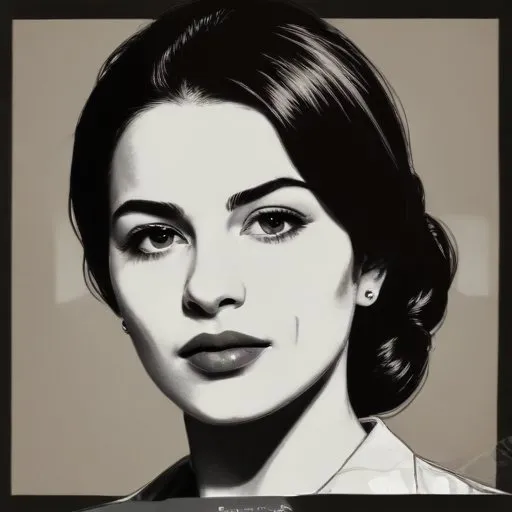
A talented actress who shone in French cinema's Golden Age, starring in iconic films like "French Cancan" and "The Fathers Have Eaten Sour Grapes".
Franoise Arnoul is a name synonymous with French cinema's Golden Age, where she reigned supreme as one of the most captivating actresses of the 1950s. Her ravishing beauty, versatile acting skills, and unmistakable on-screen presence made her a household name, earning her a permanent place in the annals of French cinematic history.
Born Franoise Annette Marie Mathilde Gautsch on June 3, 1931, in Constantine, French Algeria, Arnoul was destined for stardom. Her mother, Janine Henry, was a stage actress, and her father, Charles Gautsch, was an artillery general. The family relocated to Paris in 1945, where Arnoul discovered her passion for acting.
After studying drama in Paris, she was spotted by director Willy Rozier, who offered her a breakout role in the 1949 film L'Épave. This marked the beginning of a illustrious career that would span over five decades, with Arnoul starring in over 90 films and television productions.
Arnoul's filmography is a testament to her incredible range and talent. Some of her most notable works include:
Her American film debut came in 1954 with Companions of the Night, further solidifying her status as a global star.
In 1956, Arnoul married publicity agent Georges Cravenne, but the marriage was short-lived, and they separated in 1960. She then began a long-term relationship with French director and screenwriter Bernard Paul, which lasted until his death in 1980.
As she navigated the changing landscape of French cinema, Arnoul transitioned to television, appearing in various TV movies and miniseries. She also delved into character roles, showcasing her remarkable adaptability as an actress.
In 1995, Arnoul published her autobiography, Animal dou de bonheur, offering a glimpse into her fascinating life and career.
Franoise Arnoul passed away on July 20, 2021, at the age of 90, leaving behind a legacy that continues to inspire generations of actors, filmmakers, and cinephiles alike.
Arnoul's contribution to French cinema is immeasurable. She embodied the essence of French elegance and sophistication, captivating audiences worldwide with her talent, beauty, and charm. Her influence can be seen in the many actresses who followed in her footsteps, and her films remain timeless masterpieces that continue to captivate audiences today.
92 Years Old
French actress and model who symbolized the liberated woman of the 1960s, starring in films like "And God Created Woman" and "Contempt". Known for her iconic beauty, charming on-screen presence, and advocacy for animal rights.
93 Years Old
French cinema's iconic "New Wave" leading man, starring in classics like "Breathless" and "That Man from Rio", known for his charismatic, athletic performances and daring stunts.
83 Years Old
A renowned French actress and singer, iconic for her striking beauty and versatile performances in films like "Belle de Jour" and "Indochine". She's a symbol of French cinema and elegance.
Born in 1921
A charismatic actor and singer who starred in iconic films like "On the Waterfront" and "Let's Make Love" alongside Marilyn Monroe, charming audiences with his rugged good looks and smooth vocals.
Born in 1921
A French actress who won the Academy Award for Best Actress for her portrayal of Alice Aisgill in the 1959 film "Room at the Top", known for her powerful, nuanced performances.
88 Years Old
A German-French actress who captivated audiences with her striking beauty and nuanced performances in films like "Sissi" and "Ludwig," earning her a lasting legacy in European cinema.
