


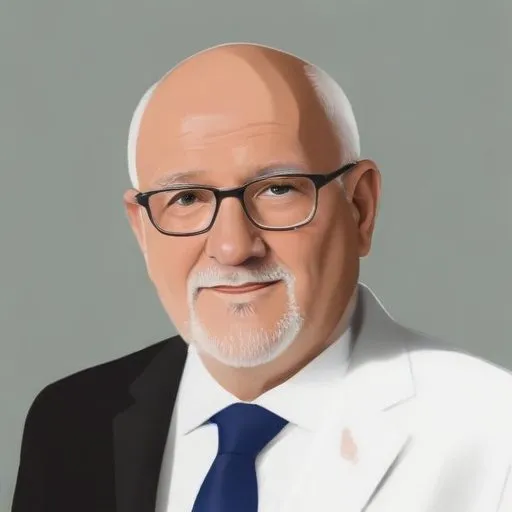
The First Vice President of the European Commission, a seasoned diplomat and politician, is known for championing climate action, social justice, and EU integration. He's a key figure in shaping the EU's policies and future.
Frans Timmermans is a Dutch politician known for his instrumental role in shaping the European Union's climate policy and advocating for a green revolution. As the Executive Vice President of the European Commission for the European Green Deal and European Commissioner for Climate Action, Timmermans has been at the forefront of Europe's transition to a carbon-neutral future.
Born on May 6, 1961, in Maastricht, Netherlands, Timmermans was raised in a Roman Catholic family. He attended elementary school in Sint-Stevens-Woluwe, Belgium, and later studied at the private Saint Georges English School in Rome. He completed his secondary education at the Bernardinuscollege in Heerlen, Netherlands.
Timmermans is a strong advocate for a united Europe and has consistently pushed for climate action, social justice, and human rights. He believes in the power of collective action and the need for a coordinated approach to address the world's most pressing challenges.
Timmermans' tenure as Executive Vice President of the European Commission coincided with a critical period in European history, marked by rising nationalism, climate change, and economic uncertainty. His leadership on the European Green Deal and climate action has left an indelible mark on the European Union's approach to sustainability and environmental protection.
Timmermans' work has had a profound impact on modern society, inspiring a new generation of climate activists and policymakers. His advocacy for a green revolution has influenced policy decisions and sparked conversations about the need for sustainable development.
From his early days as a civil servant to his appointment as Executive Vice President of the European Commission, Timmermans' life has been marked by a series of milestones that have shaped his career and legacy.
As Timmermans continues to shape the European Union's climate policy, his influence is likely to extend beyond the EU, inspiring global action on climate change. His commitment to a green revolution will continue to inspire generations to come.
71 Years Old
Luxembourg's Prime Minister from 1995 to 2013, known for his key role in shaping the European Union's economic and monetary policies. He was the President of the European Commission from 2014 to 2019, overseeing the EU's executive body.
69 Years Old
The 14th Prime Minister of Poland, a journalist-turned-politician who played a key role in shaping the country's post-communist era and later became a prominent EU leader. He's known for his strong stance on European integration and criticism of authoritarianism.
72 Years Old
The first female Chancellor of Germany, serving for 16 years, known for her leadership during the European sovereign-debt crisis and her role in shaping the European Union's policy. She's a highly influential figure in modern politics.
48 Years Old
The 25th President of France is a centrist leader who has been a driving force behind the European Union and a strong advocate for climate action. He has implemented various reforms to modernize the French economy and has been a key player in international diplomacy.
70 Years Old
A German politician who served as President of the European Parliament and leader of the Social Democratic Party of Germany, known for his efforts to strengthen the European Union.
73 Years Old
The 47th Prime Minister of Belgium, a prominent liberal politician who played a key role in shaping the European Union's policies and architecture. He's a strong advocate for a federal Europe and has been a vocal critic of nationalism.
86 Years Old
A Polish engineer and politician who served as the 9th Prime Minister of Poland, known for his role in the country's transition from communism to democracy. He also served as the President of the European Parliament from 2009 to 2012.
