


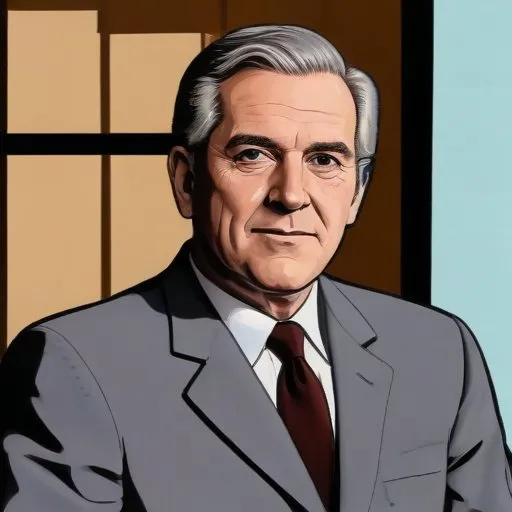
The 39th Mayor of Chicago, serving from 1907 to 1911, is known for his progressive reforms and efforts to clean up city government. He's also remembered for his role in the 1910 Chicago River reversal project.
Fred A. Busse, a prominent figure in Chicago's political scene, is best known for his tenure as the mayor of Chicago from 1907 to 1911. During his time in office, Busse's administration was marred by corruption and organized crime, earning him a questionable reputation in the annals of Chicago's history.
Before becoming mayor, Busse built a strong foundation in local politics. He served in the Illinois House of Representatives in 1894 and 1896, and later in the Illinois State Senate in 1898. In 1902, he was appointed as the Illinois state treasurer, a position that further solidified his political influence.
Beyond politics, Busse had a successful business career. He held the position of Secretary and Treasurer of the Northwestern Coal Company until 1905. This experience would later serve him well in his mayoral duties.
Bussed was sworn in as mayor on April 15, 1907, and his tenure was marked by controversy and corruption. He was accused of having close ties with organized crime figures, and his inaction in addressing the growing concerns of the public led to the formation of organizations opposed to crime and seeking reform in the city government.
One notable example of Busse's questionable judgment was his association with a brothel owner, who used his image to promote her business. When pressed about his involvement, Busse nonchalantly replied, "They don't need anyone sleuthing around after me. They can always get me any evening at J.C. Murphy's saloon, Clark Street and North Avenue."
Despite the controversy surrounding his administration, Busse was a strong supporter of the Plan of Chicago, a comprehensive urban planning initiative aimed at transforming the city's infrastructure. He established a 328-member Chicago Plan Commission to realize the plan's objectives.
Bussed ultimately lost his bid for reelection in 1911 to Democrat Carter Harrison Jr. He was succeeded by Harrison on April 17, 1911. After leaving office, Busse's life was marked by quietude, and he passed away on July 9, 1914, due to complications from valvular heart disease.
Fred A. Busse's legacy is a complex one, marred by controversy and corruption. While he played a significant role in shaping Chicago's urban landscape through the Plan of Chicago, his administration's failures in addressing organized crime and corruption tainted his reputation. Nevertheless, Busse remains an important figure in Chicago's history, serving as a cautionary tale about the importance of accountability and transparency in governance.
Born in 1902
The 48th Mayor of Chicago, a dominant figure in American politics, known for his strong leadership and machine-style politics that shaped the city's development. He played a crucial role in the 1968 Democratic National Convention.
Born in 1873
A Czech-American captain and politician who served as the 44th Mayor of Chicago, known for his strong leadership and efforts to reform the city's government. He's also infamous for being assassinated in 1933, allegedly in an attempt to kill President-elect Franklin D. Roosevelt.
Born in 1865
A journalist and politician who served as the 20th Governor of Kansas, known for his progressive reforms and advocacy for farmers' rights. He was a prominent figure in Kansas politics during the early 20th century.
