


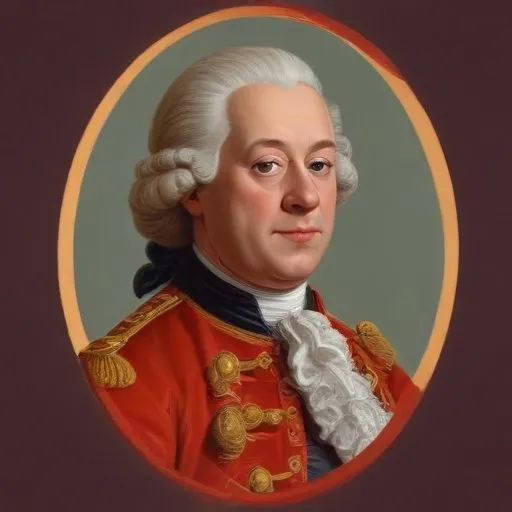
King of Saxony from 1836 to 1854, known for his efforts to modernize and industrialize his country, and for his role in the Revolutions of 1848.
Frederick Augustus II of Saxony, also known as German Friedrich August II, was a king who ruled Saxony from 1836 to 1854 and was a member of the House of Wettin. He is best known for his liberal reforms, which brought great change and progress to his kingdom, earning him the title of "The Good King."
Frederick Augustus II was born on May 18, 1797, in Dresden, Saxony, to Maximilian, Prince of Saxony, and Caroline of Bourbon, Princess of Parma. As the eldest son, it was clear that he would one day become the ruler of Saxony.
In 1827, his uncle King Frederick Augustus I died, and his father Maximilian became the heir apparent. However, Maximilian renounced his rights to the throne in favor of Frederick Augustus in 1830, making him the Prince Co-Regent of Saxony.
As Co-Regent, Frederick Augustus II implemented several liberal reforms, which quickly gained him popularity among the people. On February 2, 1832, he granted free autonomy to the cities, and on March 17 of the same year, he freed farmers from corvée (forced labor) and hereditary submission.
These reforms effectively ended the discontent among the people, and his popularity soared. He became known for his progressive views and his willingness to listen to the needs of his people.
On June 6, 1836, King Anton died, and Frederick Augustus II succeeded him as the King of Saxony. He continued to implement liberal reforms, and his popularity remained high throughout his reign.
As king, he focused on solving political problems and leaving the administration to his ministers. He was an intelligent man who preferred to concentrate on his own interests rather than getting involved in the intricacies of governance.
Frederick Augustus II of Saxony died on August 9, 1854, in Brennbüchel, Kärnten, Tyrol. He left behind a legacy of liberal reforms and a kingdom that was more just and equal than when he inherited it.
He is remembered as "The Good King" and is celebrated for his progressive ideas and his willingness to listen to his people.
This quote reflects his commitment to the well-being of his people and his desire to create a just and equitable society.
Frederick Augustus II of Saxony ruled during a time of great change and upheaval in Europe. The July Revolution of 1830 in France had sparked a wave of protests and demands for reform across the continent.
His liberal reforms and progressive ideas made him a beacon of hope for those seeking change and improvement in their own countries. His legacy continues to inspire leaders and reformers to this day.
Born in 1670
A powerful Polish king who transformed his country into a major European power through military conquests and cultural achievements, earning him the nickname "the Strong".
