


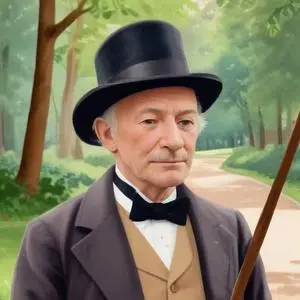
Co-designer of iconic public spaces, including Central Park, revolutionizing urban landscape architecture. Known for harmoniously blending nature and urban development.
Frederick Law Olmsted is renowned for his groundbreaking work in landscape architecture, credited with designing some of America's most iconic urban parks, including New York's Central Park and Brooklyn's Prospect Park. As the "father of American landscape architecture," Olmsted's innovative designs have had a lasting impact on the country's public spaces.
Born on April 26, 1822, in Hartford, Connecticut, Olmsted grew up with a passion for nature and the outdoors. After working as a journalist and traveling extensively, he turned to landscape architecture, which became his true calling. In 1857, Olmsted and his partner, Calvert Vaux, entered a design competition for New York's Central Park, eventually winning the project and cementing their reputation as leading landscape architects.
Olmsted's designs were guided by his strong beliefs in the importance of public spaces for social and emotional well-being. He advocated for parks to be accessible to all, regardless of social class, and saw them as essential for fostering community and promoting social harmony. His work was deeply rooted in the concept of "democratic spaces," where people from all walks of life could come together and enjoy nature.
Olmsted's impressive career spanned over four decades, during which he worked on numerous projects that transformed the American landscape. Some notable highlights include:
Frederick Law Olmsted's pioneering work in landscape architecture has left an indelible mark on American society. His emphasis on accessible public spaces, democratic values, and harmonious coexistence with nature continues to inspire architects, planners, and environmentalists today. As the "father of American landscape architecture," Olmsted's legacy is a testament to the power of design to shape our shared human experience.
Olmsted passed away on August 28, 1903, but his work continues to thrive, a living embodiment of his vision for a more beautiful, inclusive, and sustainable world.
Born in 1817
A 19th-century thinker who advocated for simple living, civil disobedience, and individualism, inspiring generations to reevaluate their relationship with nature and society.
Born in 1803
A leading figure in the Transcendentalist movement, he advocated for individualism, self-reliance, and nature-inspired spirituality through his essays and poetry. His ideas continue to influence American thought and culture.
Born in 1819
A celebrated poet, essayist, and journalist who revolutionized American literature with his collection "Leaves of Grass", known for his free verse style and celebration of the human spirit.
Born in 1807
A prominent abolitionist and poet, known for his powerful writings that advocated for social justice and equality, leaving a lasting impact on American literature and history.
Born in 1807
A celebrated poet and educator, known for his lyrical and narrative poems that often explored American history and culture, including the iconic "Paul Revere's Ride".
Born in 1783
Author of the iconic tales "The Legend of Sleepy Hollow" and "Rip Van Winkle", credited with creating the first American folklore and shaping the country's literary identity.
Born in 1809
A master of dark and atmospheric storytelling, crafting haunting tales of mystery and horror that continue to captivate readers to this day.
