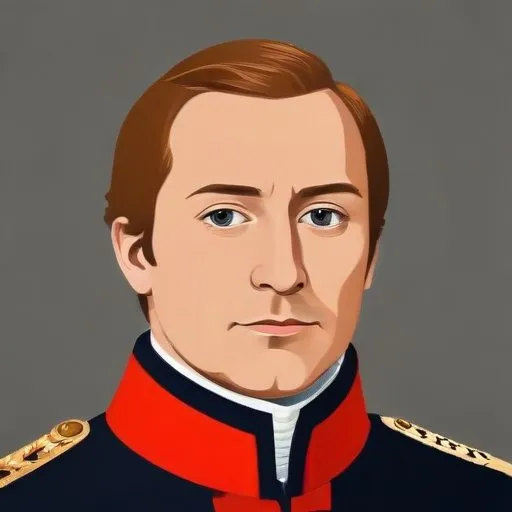
Frederick William: The Great Elector of Brandenburg-Prussia
A Pillar of Strength and Visionary Leadership
Frederick William, affectionately known as the "Great Elector" (Der Große Kurfürst), was a stalwart figure in 17th-century European politics, renowned for his military prowess, shrewd diplomacy, and visionary leadership that elevated Brandenburg-Prussia to a prominent position in the post-Westphalian order. During his 48-year reign from 1640 to 1688, he unified the fragmented territories, fostered economic growth, and established a strong foundation for the future kingdom of Prussia.
Early Life and Education
Born on February 16, 1620, in Berlin, Frederick William was the son of George William, Elector of Brandenburg, and Elisabeth Charlotte of the Palatinate. Due to the tumultuous era of the Thirty Years' War, he spent part of his youth in the Netherlands, where he studied at Leiden University and gained valuable insights into war and statecraft under the guidance of
Frederick Henry, Prince of Orange.
Rise to Power and Domestic Reforms
Upon his father's death in 1640, the 20-year-old Frederick William ascended to the throne, inheriting the Margraviate of Brandenburg, the Duchy of Cleves, the County of Mark, and the Duchy of Prussia. He embarked on a series of domestic reforms, focusing on religious tolerance, trade, and commerce. These initiatives revitalized the war-ravaged territories, laying the groundwork for Prussia's future prosperity.
Foreign Diplomacy and Military Achievements
Frederick William's diplomatic prowess and military acumen earned him significant recognition. He received French subsidies to build a formidable army, which played a crucial role in the Second Northern War (1655-1660). The subsequent treaties of Labiau, Wehlau, Bromberg, and Oliva marked a turning point in Brandenburg-Prussia's history, solidifying its position in the region.
Legacy and Impact
The Great Elector's legacy extends far beyond his military victories and diplomatic achievements. His vision for a strong, unified Brandenburg-Prussia paved the way for his son and successor, Frederick I, to elevate the duchy to a kingdom in 1701. Frederick William's tolerance and promotion of trade and commerce created a fertile ground for the growth of the Prussian state, which would eventually become a dominant power in Europe.
Personal Milestones and Key Life Events
- 1620: Born on February 16th in Berlin
- 1640: Ascended to the throne upon his father's death
- 1648: Signed the Treaty of Westphalia, ending the Thirty Years' War
- 1655-1660: Participated in the Second Northern War
- 1688: Died on April 29th, leaving a lasting legacy
Philosophical Contributions and Beliefs
As a staunch Calvinist, Frederick William was deeply devoted to his faith. He recognized the importance of trade and commerce, which aligned with the rising commercial class of the time. His vision for a strong, unified state was guided by his commitment to religious tolerance, allowing for the coexistence of different faiths within his territories.
Influence on Modern Society
The Great Elector's impact on modern society is multifaceted. His military and political achievements paved the way for Prussia's rise as a dominant European power. His emphasis on trade, commerce, and religious tolerance created a foundation for the growth of a strong, modern state. Today, Frederick William's legacy serves as a testament to the power of visionary leadership and the importance of fostering a climate of cooperation and tolerance.
FAQ
What were Frederick Williams most significant achievements as ruler of Nassau-Weilburg?
Frederick William served as ruler of Nassau-Weilburg from 1788 to 1816 and is notable for his efforts to modernize his state, promote education and culture, and strengthen its economy.
How did Frederick William respond to the Napoleonic Wars?
Frederick William responded to the Napoleonic Wars by maintaining a policy of neutrality, which allowed Nassau-Weilburg to avoid involvement in the conflicts and preserve its independence.
What was Frederick Williams approach to governance?
Frederick William was a paternalistic ruler who believed in the importance of promoting the welfare of his subjects. He implemented a range of reforms aimed at improving education, healthcare, and economic development.
What was Frederick Williams relationship with his family like?
Frederick William was known for his strong family ties and his commitment to his wife and children. His family played an important role in his life and influenced his decisions as ruler.
What legacy did Frederick William leave behind in Nassau-Weilburg?
Frederick Williams legacy in Nassau-Weilburg is marked by his commitment to modernization, his efforts to promote education and culture, and his role in maintaining the states independence during a turbulent period in European history.