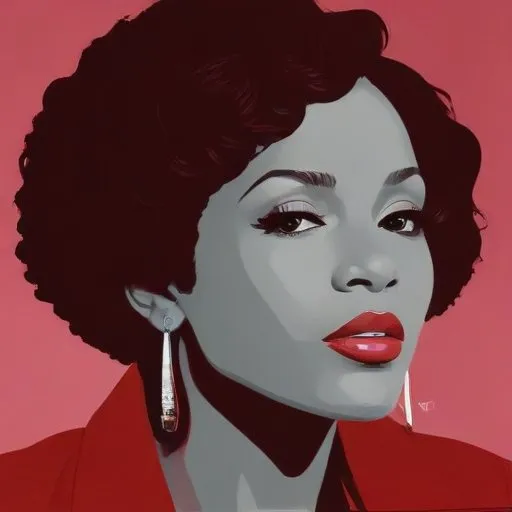
Garnet Mimms: The Unsung Hero of Soul Music
A Legendary Voice Behind a Timeless Classic
Garnet Mimms is a name synonymous with soul music, and his iconic hit "Cry Baby" is a testament to his enduring legacy. With a voice that could convey the deepest emotional pain and pleasure, Mimms has been an influential figure in the rhythm and blues genre, leaving an indelible mark on the music industry.
The Early Years: A Gospel Foundation
Born Garrett Mimms on November 16, 1933, in Ashland, West Virginia, Mimms grew up in Philadelphia, where he was steeped in gospel music from a young age. He sang in church choirs and gospel groups, including the Evening Stars and the Harmonizing Four, laying the foundation for his future success.
The Rise to Fame: Garnet Mimms and the Enchanters
After serving in the military, Mimms formed the Gainors in 1958, but it wasn't until he teamed up with
Charles Boyer, Zola Pearnell, and Sam Bell to form Garnet Mimms and the Enchanters in 1961 that his career took off. Under the guidance of songwriter and record producer Bert Berns, the group moved to New York and began working with fellow songwriter and producer Jerry Ragovoy.
The Breakthrough: "Cry Baby" and Beyond
The partnership between Mimms and the Enchanters, Ragovoy, and Berns resulted in the hit single "Cry Baby," which topped the R&B chart and reached number 4 on the Billboard Hot 100 chart in 1963. This soulful anthem, featuring uncredited vocal backing by the Gospelaires, including
Dionne Warwick,
Dee Dee Warwick, and Estelle Brown, showcased Mimms' pleading, gospel-derived intensity, solidifying his position as one of the earliest true soul singers.
Influence and Legacy
Mimms' contributions to soul music have been immense, and his influence can be seen in later artists such as
Janis Joplin, who covered "Cry Baby" in 1971. Despite his significant impact, Mimms' legacy remains criminally underappreciated, a testament to the often-overlooked pioneers of soul and rhythm and blues.
Awards and Recognition
While Mimms has not received widespread recognition in the form of awards, his music continues to be celebrated by soul enthusiasts worldwide. His influence on modern soul and R&B is undeniable, and his music remains a staple of the genre.
- 1940s: Sang in church choirs and gospel groups in Philadelphia
- 1953: Recorded with the Norfolk Four for Savoy Records
- 1958: Formed the Gainors
- 1961: Teamed up with Charles Boyer, Zola Pearnell, and Sam Bell to form Garnet Mimms and the Enchanters
- 1963: Released the hit single "Cry Baby" with the Enchanters
_quotes AND MEMORABLE SAYINGS
"I never thought I was gonna be a star. I just wanted to sing and make people happy." - Garnet Mimms
Historical Context and Legacy
Garnet Mimms' story is a testament to the power of perseverance and dedication to one's craft. Despite the ups and downs of his career, Mimms' music continues to inspire new generations of soul and R&B enthusiasts, cementing his place as a true pioneer of the genre.
FAQ
What was Garnet Mimms role in the development of soul music?
Garnet Mimms was a key figure in the development of soul music, known for his powerful, soulful voice and hit songs like Cry Baby and A Quiet Place.
What were some of Garnet Mimms most influential recordings?
Garnet Mimms most influential recordings include Cry Baby, A Quiet Place, and Ill Take Good Care of You, which have been covered by numerous artists including Janis Joplin and The Rolling Stones.
How did Garnet Mimms music influence other soul and R&B artists?
Garnet Mimms music had a significant impact on other soul and R&B artists, including Otis Redding, Aretha Franklin, and Sam Cooke, who were all influenced by his powerful, emotive singing style.
What awards and recognition did Garnet Mimms receive for his contributions to soul music?
Garnet Mimms was inducted into the Vocal Group Hall of Fame in 2003 and received a Pioneer Award from the Rhythm and Blues Foundation in 2007.
What was Garnet Mimms life like after his 1960s heyday?
After his 1960s heyday, Garnet Mimms continued to perform and record, albeit at a slower pace. He died in 2021 at the age of 82.