


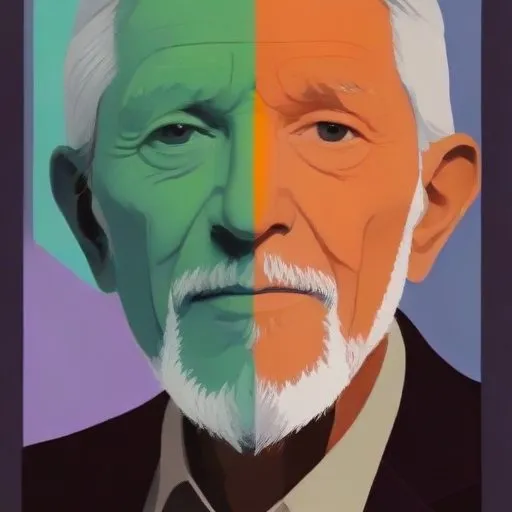
A Beat Generation icon, known for blending spirituality and ecology in poetry and essays that explore humanity's relationship with nature.
Gary Snyder, born on May 8, 1930, is an American poet, essayist, lecturer, and environmental activist, renowned for his immersive works that blend Buddhist spirituality with nature. As the winner of a Pulitzer Prize for Poetry and the American Book Award, Snyder's literary contributions have been instrumental in shaping the modern environmental movement.
Snyder's early life was marked by turmoil, with his family struggling to make ends meet during the Great Depression. Born in San Francisco, California, he was soon relocated to King County, Washington, where his family tended dairy cows and kept laying hens. This rural upbringing instilled in him a deep appreciation for nature, which would later become a central theme in his work.
An accident at the age of seven left Snyder bedridden for four months, during which time he devoured piles of books from the Seattle Public Library. This period marked the beginning of his voracious reading habit, which would eventually shape his writing style and worldview.
Snyder's poetry has been associated with the Beat Generation and the San Francisco Renaissance, movements that sought to challenge traditional social norms and explore new forms of artistic expression. His work, however, stands out for its unique blend of Buddhist spirituality, environmental activism, and poetic mastery.
Some of Snyder's most notable works include:
Snyder's work extends far beyond the realm of literature, as he has been a vocal advocate for environmental protection and sustainability. His philosophy, which he terms "Deep Ecology," emphasizes the interconnectedness of all living beings and the need to adopt a more symbiotic relationship with nature.
As an environmental activist, Snyder has been involved in various conservation efforts, including the protection of old-growth forests and the promotion of sustainable agriculture practices. His commitment to environmental causes has earned him recognition as the "poet laureate of Deep Ecology."
Snyder's literary and environmental contributions have been recognized with numerous awards and honors, including:
Gary Snyder's work has had a profound impact on modern society, inspiring a new generation of environmental activists, writers, and thinkers. His poetry and essays continue to challenge readers to reevaluate their relationship with nature, and his legacy serves as a testament to the power of literature to shape our understanding of the world.
Through his tireless advocacy for environmental protection and his poetic explorations of the human condition, Snyder has left an indelible mark on American literature and culture.
Born in 1926
A leading figure of the Beat Generation, known for his poetry that explores themes of nonconformity, free expression, and social justice. His iconic poem "Howl" is a classic of American literature.
Born in 1922
Pioneering figure of the Beat Generation, known for spontaneous, confessional, and poetic writings that captured the essence of American counterculture in the 1950s and 60s.
Born in 1914
A pioneering figure of the Beat Generation, known for experimental and provocative works that blended fiction and reality, pushing boundaries of literature and art.
Born in 1919
A Beat Generation icon who co-founded the legendary City Lights Bookstore, a hub for counterculture and free speech, and penned poetry that captured the spirit of rebellion and nonconformity.
Born in 1926
Author of the 1952 novel "Go" and a prominent figure in the Beat Generation, known for his contributions to the literary movement that celebrated nonconformity and spontaneity.
Born in 1926
A charismatic figure of the Beat Generation, known for his spontaneous and free-flowing writing style, which greatly influenced the development of American literature.
90 Years Old
Counterculture icon and author of psychedelic novels, most famously "One Flew Over the Cuckoo's Nest", which critiques societal norms and explores the human condition.
