


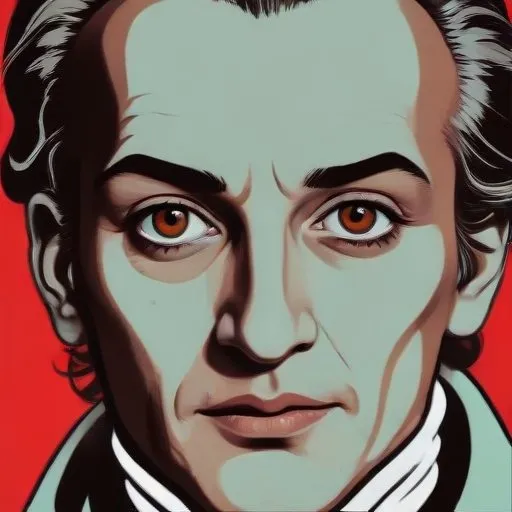
A powerful and influential advisor to King Philip IV of Spain, he implemented significant reforms and centralization policies, shaping the country's politics and economy.
Gaspar de Guzmn, CountDuke of Olivares, was a Spanish royal favorite, valido, and minister who played a pivotal role in shaping Spain's foreign policy and domestic reforms during the 17th century. He is best known for his unwavering dedication to the Spanish crown, particularly during the reign of King Philip IV, and his bold attempts to revitalize Spain's economy and military might.
Born in Rome in 1587, Olivares was raised in a noble family and inherited his father's title, becoming the 3rd Count of Olivares. After studying at Salamanca University, he became a skilled diplomat and militarist, winning the favor of King Philip III and eventually becoming the trusted advisor to the young King Philip IV.
Olivares' vision for Spain's dominance in Europe led him to commit the country to recapture Holland, reigniting the Eighty Years War. Simultaneously, Spain was embroiled in the Thirty Years War, which put immense pressure on the country's resources. Despite these challenges, Olivares remained resolute in his pursuit of Spanish greatness, often taking bold risks that would define his legacy.
In an effort to centralize power and increase wartime taxation, Olivares implemented a series of reforms that sparked revolts in Catalonia and Portugal. These uprisings ultimately led to his downfall, as the beleaguered king eventually surrendered to the demands of the rebellious regions and dismissed Olivares from his post in 1643.
While Olivares' policies and decisions were often marked by controversy, his unwavering commitment to Spain's greatness has left an indelible mark on the country's history. His vision for a unified and powerful Spain continues to inspire generations of statesmen and historians alike.
"The king is the soul of the state, and I am his ventricle." – Gaspar de Guzmn, CountDuke of Olivares
Olivares' life and legacy are set against the backdrop of Spain's Golden Age, a period marked by significant cultural, artistic, and literary achievements. His contributions to this era, though often shrouded in controversy, remain an integral part of Spain's rich history.
Born in 1561
A 17th-century Spanish cleric and poet, known for his complex and ornate style, which influenced the development of Spanish literature and poetry. He's credited with creating a new poetic style, known as Culteranismo.
Born in 1600
A 17th-century master of Spanish Golden Age theatre, he penned influential plays that explored complex moral themes, earning him a revered place in literary history.
Born in 1599
A renowned Spanish painter and educator, known for his masterful use of chiaroscuro and his iconic portraits of royalty, particularly the Spanish royal family.
Born in 1547
Author of the timeless classic "Don Quixote", a foundational work of modern Western literature that has shaped the literary canon and influenced countless writers and artists.
Born in 1601
A 17th-century Spanish priest and author who wrote witty, insightful, and influential books on philosophy, politics, and psychology, offering timeless advice on living a virtuous life.
