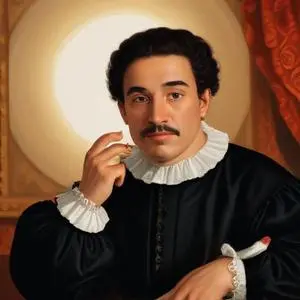
Pedro Caldern de la Barca: The Master of Spanish Baroque Theatre
A Pioneer of Spanish Literature
Pedro Caldern de la Barca, a renowned Spanish dramatist, poet, and writer, is widely regarded as the perfecter of Spanish Baroque theatre and one of the greatest poets and playwrights in world literature. He is celebrated for his groundbreaking contributions to the development of Spanish Golden Age theatre, introducing innovative elements of metafiction and surrealism that have left an indelible mark on literature and theatre.
Early Life and Career
Born on January 17, 1600, in Madrid, Spain, Caldern de la Barca came from a noble family. His father, Diego Caldern, held a position of secretary of the Council and Chief Accounting Office of the Treasury, serving the Spanish Habsburg Kings Felipe II and Felipe III. Raised in a culturally rich environment, Caldern de la Barca developed a passion for literature and the arts from an early age.
Theatrical Innovations
Caldern de la Barca's most significant contribution to Spanish literature lies in his pioneering work in theatre. He wrote numerous verse dramas that pushed the boundaries of theatrical storytelling, introducing elements of metafiction and surrealism that would later influence Romanticism, symbolism, literary modernism, expressionism, dystopian science fiction, and postmodernism. His plays often explored themes of love, power, and morality, tantalizing audiences with complex characters and thought-provoking narratives.
Major Works
Some of Caldern de la Barca's most celebrated works include:
- La vida es sueño (Life is a Dream), a philosophical play that explores the nature of reality and the human condition.
- El alcalde de Zalamea (The Mayor of Zalamea), a tragedy that critiques the corrupting influence of power.
- El médico de su honra (The Doctor of His Honour), a play that examines the destructive consequences of unchecked ambition.
Influence and Legacy
Caldern de la Barca's impact on literature and theatre is immeasurable. His innovative approach to storytelling has inspired generations of writers, poets, and playwrights, including notable figures such as
Gustave Flaubert,
Thomas Mann, and
Tennessee Williams. His poetry and plays continue to be studied and performed worldwide, solidifying his position as one of the most important literary figures in Spanish history.
Personal Life and Milestones
In addition to his literary accomplishments, Caldern de la Barca led a life marked by notable milestones. He served as a soldier and a knight of the military and religious Order of Santiago before becoming a Roman Catholic priest. Despite his many achievements, little is known about his personal relationships and anecdotes, leaving behind a legacy shrouded in mystery.
Trivia and Fun Facts
Did you know?
- Caldern de la Barca's remains were lost for centuries, sparking a renewed search for his missing body in 2021.
- He was born during the Spanish Golden Age, a period of cultural and literary flourishing that saw the rise of notable figures such as Lope de Vega and Miguel de Cervantes.
In conclusion, Pedro Caldern de la Barca's remarkable life and works have left an indelible mark on literature and theatre. His innovative approach to storytelling, his pioneering contributions to Spanish Baroque theatre, and his profound influence on Western literary traditions cement his position as one of the greatest poets and playwrights in world literature.
FAQ
What was Pedro Calderón de la Barcas contribution to Spanish literature?
Pedro Calderón de la Barca was a prominent Spanish playwright and poet who made significant contributions to Spanish literature. He is known for his plays that explored themes of love, honor, and morality.
What is Pedro Calderón de la Barcas most famous play?
Pedro Calderón de la Barcas most famous play is Life is a Dream, a philosophical drama that explores the nature of reality and the human condition.
Was Pedro Calderón de la Barca a soldier?
Yes, Pedro Calderón de la Barca served as a soldier in the Spanish army before devoting himself to literature. His experiences in the military influenced his writing, particularly in his depictions of honor and valor.
What was Pedro Calderón de la Barcas style of writing?
Pedro Calderón de la Barcas writing style was characterized by his use of complex metaphors, rich language, and philosophical themes. He is considered one of the greatest playwrights of the Spanish Golden Age.
How did Pedro Calderón de la Barcas work influence later playwrights?
Pedro Calderón de la Barcas work influenced later playwrights, including those of the Romantic era. His emphasis on emotional intensity, moral complexity, and philosophical depth paved the way for later dramatic innovations.