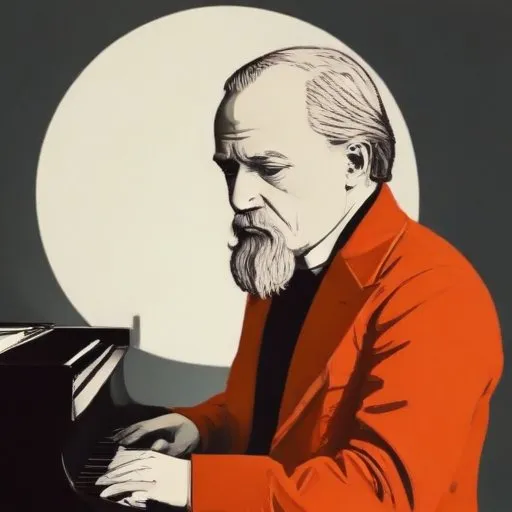
Geirr Tveitt: The Pioneering Norwegian Composer and Pianist
A National Icon in Norwegian Cultural Life
Geirr Tveitt was a renowned Norwegian composer and pianist, credited with being a central figure in the national movement in Norwegian cultural life during the 1930s. He is celebrated for his significant contributions to the country's musical heritage, blending folk traditions with modern classical music.
Early Life and Inspirations
Born Nils Tveit on October 19, 1908, in Bergen, Norway, Tveitt's family was of farmer stock, with ancestral roots in the scenic Hardangerfjord region. His childhood summers spent in Hardanger exposed him to the rich folk music traditions of the area, which would later greatly influence his work. He was no child prodigy, but his natural talent for music was encouraged by Norwegian composer
Christian Sinding, prompting him to explore composition.
Education and Training
In 1928, Tveitt pursued education in Germany, enrolling at the prestigious Leipzig Conservatory. Under the tutelage of Hermann Grabner and Leopold Wenninger, he honed his composition skills, while also studying piano with Otto Weinreich. This period marked a significant turning point in his career, as he made remarkable progress in both fields.
Philosophical Contributions and Beliefs
Tveitt's music was deeply rooted in Norwegian folk traditions, which he believed held the essence of the country's cultural identity. He strove to preserve and promote these traditions, fusing them with modern classical music to create a unique sound. His philosophical approach to music was centered on the idea that art should reflect the nation's soul and heritage.
Career Highlights and Major Works
Tveitt's compositional output was extensive, with notable works including symphonies, chamber music, and piano pieces. His most famous work, the
Piano Concerto No. 4, is considered a masterpiece of Norwegian classical music. He was also an accomplished pianist, performing his own works as well as those of other Norwegian composers.
Influence on Modern Society
Tveitt's contributions to Norwegian cultural life extended beyond the realm of music. He was an influential figure in promoting national identity and fostering a sense of community. His work helped to shape Norway's cultural landscape, inspiring future generations of composers, musicians, and artists.
Personal Milestones and Key Life Events
- 1928: Enrolled at the Leipzig Conservatory, Germany
- 1930s: Emerged as a central figure in the national movement in Norwegian cultural life
- 1940s: Composed his most famous work, the Piano Concerto No. 4
- 1981: Passed away on February 1, at the age of 72
Legacy and Historical Context
Geirr Tveitt's legacy is that of a trailblazer, who successfully merged Norwegian folk traditions with modern classical music. His contributions to the country's cultural heritage are immeasurable, and his music continues to inspire and influence contemporary composers and musicians. As a national icon, Tveitt's impact on Norway's cultural landscape is still felt today.
Geirr Tveitt's remarkable life and career serve as a testament to the power of music to shape national identity and foster cultural heritage. His pioneering work continues to inspire generations of artists, ensuring his legacy as a central figure in Norwegian cultural life.
FAQ
What kind of music did Geirr Tveitt compose?
Geirr Tveitt was a Norwegian composer who wrote music in a wide range of styles, including classical, jazz, and folk. He was particularly known for his work in the genre of musical nationalism.
What is Geirr Tveitts most famous composition?
Geirr Tveitts most famous composition is probably his piano concerto, which is considered one of the most important works of Norwegian classical music.
Who influenced Geirr Tveitts music?
Geirr Tveitt was influenced by a wide range of musicians, including Norwegian folk musicians, classical composers like Edvard Grieg, and jazz musicians like Duke Ellington.
What was Geirr Tveitts role in Norwegian music?
Geirr Tveitt played a significant role in promoting Norwegian music and culture, both at home and abroad. He was a tireless advocate for Norwegian composers and musicians.
What was Geirr Tveitts personality like?
Geirr Tveitt was known for his warm and generous personality. He was a beloved figure in Norwegian musical circles, and he was always willing to help and support his fellow musicians.