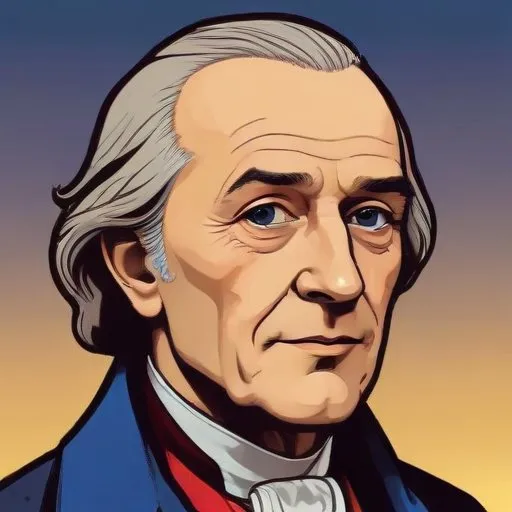
Sir Geoffrey Rudolph Elton: The Pioneering Historian of the Tudor Period
A Legacy of Scholarship and Academic Excellence
Sir Geoffrey Rudolph Elton, born Gottfried Rudolf Otto Ehrenberg, is renowned for his seminal contributions to the field of history, particularly in the realm of Tudor studies. As a distinguished historian, he is credited with revolutionizing the discipline through his innovative approaches, meticulous research, and profound insights.
Early Life and Formative Years
Elton's early life was marked by significant events that would shape his future academic pursuits. Born in 1921 in Tübingen, Germany, to Jewish scholar parents, Victor Ehrenberg and Eva Dorothea Sommer, he was exposed to a rich cultural heritage. In 1929, the Ehrenberg family relocated to Prague, Czechoslovakia, where Elton's fascination with history first took root.
War, Education, and Name Change
With the outbreak of World War II, Elton's family fled to Britain in February 1939. He enrolled at Rydal School, a Methodist institution in Wales, where he excelled academically and taught mathematics, history, and German. During this period, he adopted the name Geoffrey Rudolph Elton, Anglicizing his surname to distance himself from his German roots. Elton's academic prowess earned him a degree in Ancient History from the University of London in 1943.
Military Service and the Emergence of a Historian
Elton's service in the British Army, where he rose to the rank of sergeant, significantly influenced his intellectual trajectory. During his time in the Intelligence Corps and the East Surrey Regiment, he honed his analytical skills, which would later become a hallmark of his historical writings. After his discharge, Elton pursued his passion for early modern history at University College London, earning a PhD in 1949 under the supervision of esteemed historian J.E. Neale.
Academic Career and Legacy
Elton's academic odyssey began at the University of Glasgow, followed by a tenure at Clare College, Cambridge, where he taught from 1949 onwards. His most notable position was as the Regius Professor of Modern History from 1983 to 1988. Throughout his career, Elton mentored a distinguished cohort of historians, including John Guy, Diarmaid MacCulloch, Susan Brigden, and David Starkey.
Major Works and Contributions
Elton's magnum opus,
The Tudor Revolution in Government, published in 1953, redefined the understanding of the Tudor period. This seminal work, along with his later publications, such as
The Practice of History (1967) and
Rethinking History (1983), solidified his reputation as a pioneering historian.
- Elton's rigorous methodology and innovative approaches challenged conventional historiography, emphasizing the importance of primary sources and contextualization.
- He inaugurated the concept of the "Tudor Revolution," which posits that the Tudor period witnessed a seismic shift in the English government, marked by the rise of a centralized, bureaucratic state.
- Elton's work has had a profound impact on the field of Tudor studies, influencing generations of historians and shaping the discipline as a whole.
Awards and Honors
Elton's outstanding contributions to history earned him numerous accolades, including the prestigious Wolfson Prize in 1973. He was knighted in 1986 for his services to history.
Legacy and Historical Context
Sir Geoffrey Rudolph Elton's legacy extends far beyond his academic accomplishments. His work has profoundly influenced the way historians approach their craft, emphasizing the significance of context, nuance, and empirical rigor. As a testament to his enduring impact, Elton's ideas continue to shape our understanding of the Tudor period, inspiring new generations of scholars and historians.
Personal Milestones and Key Life Events
- 1943: Graduated with a degree in Ancient History from the University of London.
- 1947: Naturalized as a British subject.
- 1949: Awarded a PhD in early modern history from University College London.
- 1983-1988: Served as the Regius Professor of Modern History at Clare College, Cambridge.
- 1994: Passed away on December 4th, leaving behind a rich intellectual legacy.
Sir Geoffrey Rudolph Elton's remarkable life and career serve as a testament to the power of scholarship, intellectual curiosity, and the pursuit of knowledge. His enduring legacy continues to inspire and inform historians, scholars, and enthusiasts alike, ensuring that the Tudor period remains a vibrant and dynamic field of study.