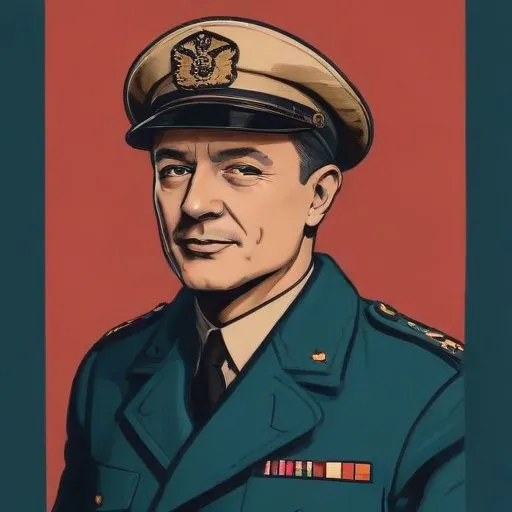
Geoffrey de Havilland: The Aviation Pioneer Behind the Mosquito and Comet
A Legacy of Innovation in the Skies
Geoffrey de Havilland, a British aviation pioneer and aerospace engineer, left an indelible mark on the history of flight with his innovative designs and pioneering spirit. He is best known for founding the de Havilland Aircraft Company, which produced the iconic Mosquito, considered the most versatile warplane ever built, and the Comet, the first commercial jet airliner to enter production.
Early Life and Education
Born on July 27, 1882, at Magdala House, Terriers, High Wycombe, Buckinghamshire, de Havilland was the second son of Reverend Charles de Havilland and Alice Jeannette (née Saunders). He received his education at Nuneaton Grammar School, St Edwards School, Oxford, and the Crystal Palace School of Engineering from 1900 to 1903.
Early Career and Entry into Aviation
After completing his engineering training, de Havilland pursued a career in automotive engineering, building cars and motorcycles. He took an apprenticeship with engine manufacturers Willans & Robinson of Rugby, followed by a stint as a draughtsman for The Wolseley Tool and Motor Car Company Limited in Birmingham. He then spent two years working in the design office of Motor Omnibus Construction Company Limited in Walthamstow. During this period, de Havilland designed his first aero engine and had the first prototype made by Iris Motor Company of Willesden.
The Birth of de Havilland Aircraft Company
In 1909, de Havilland married and soon embarked on a career of designing, building, and flying aircraft. He built his first aircraft, which took two years to complete, with borrowed money from his maternal grandfather. Although the first flight ended in a crash at Seven Barrows near Litchfield, Hampshire, in December 1909, de Havilland persevered and went on to build a new biplane. He made his first successful flight in this aircraft from a meadow near Newbury in September 1910, marking the beginning of his illustrious career in aviation.
Achievements and Records
De Havilland's subsequent designs were highly successful. In 1912, he established a new British altitude record of 10,500 feet (3,200 m) in an aircraft of his design, the B.E.2. This achievement cemented his reputation as a pioneering aviator and engineer.
Legacy and Impact
De Havilland's contributions to aviation have had a lasting impact on modern society. His innovative designs and perseverance paved the way for future generations of engineers and aviators. The Mosquito and Comet, his most famous creations, continue to inspire awe and admiration. The de Havilland Aircraft Company, which he founded in 1920, played a significant role in shaping the British aviation industry.
Personal Life and Milestones
Throughout his life, de Havilland was driven by a passion for innovation and a commitment to excellence. He was knighted in 1944 for his services to aviation. De Havilland passed away on May 21, 1965, leaving behind a legacy that continues to inspire and influence the world of aviation.
Trivia and Fun Facts
- De Havilland was a talented musician and played the violin in his spare time.
- He was known for his perfectionism and attention to detail, often spending hours refining his designs.
- De Havilland's first aircraft was built in a small shed in his backyard.
A Lasting Legacy
Geoffrey de Havilland's pioneering spirit, innovative designs, and dedication to excellence have left an indelible mark on the history of aviation. As we look to the skies, we are reminded of the power of human ingenuity and the importance of pursuing our passions. De Havilland's legacy continues to inspire future generations of engineers, aviators, and innovators, ensuring that his impact will be felt for years to come.
FAQ
What was Geoffrey de Havillands contribution to aviation history?
Geoffrey de Havilland was an English pilot and engineer who made significant contributions to aviation history, designing and building several iconic aircraft, including the de Havilland Mosquito.
What was Geoffrey de Havillands role in the development of the de Havilland Aircraft Company?
Geoffrey de Havilland founded the de Havilland Aircraft Company, which became a leading manufacturer of aircraft during the early 20th century.
How did Geoffrey de Havillands designs impact military aviation?
Geoffrey de Havillands designs had a significant impact on military aviation, particularly during World War II, when his aircraft played a crucial role in Allied victories.
What was Geoffrey de Havillands approach to aircraft design?
Geoffrey de Havilland was known for his innovative approach to aircraft design, emphasizing speed, maneuverability, and durability.
What is Geoffrey de Havillands legacy in modern aviation?
Geoffrey de Havillands legacy in modern aviation is immense. He is considered one of the most important aircraft designers of the 20th century, and his contributions have had a lasting impact on the development of modern aircraft.