


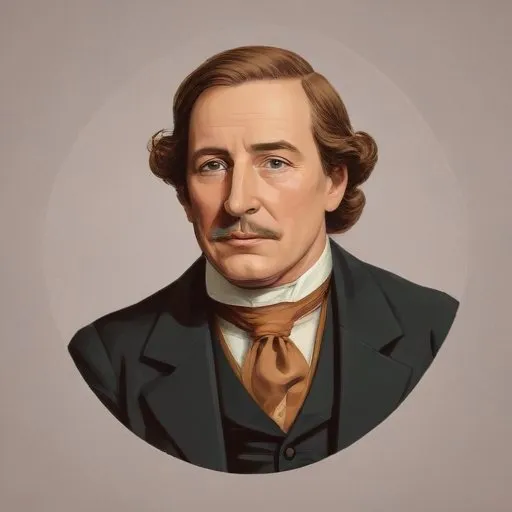
A wealthy British aristocrat who sponsored excavations in Egypt, leading to the discovery of Tutankhamun's tomb, and sparking a global fascination with ancient Egyptology.
George Herbert, 5th Earl of Carnarvon, is perhaps best known for his pivotal role in the discovery and excavation of Tutankhamun's tomb in the Valley of the Kings, an archaeologically significant feat that continues to captivate the world. As the financial backer of Howard Carter's expedition, Carnarvon's unwavering support and dedication paved the way for one of the most spectacular archaeological discoveries of the 20th century.
Born into an aristocratic family on June 26, 1866, Carnarvon inherited the Bretby Hall estate in Derbyshire from his maternal grandmother in 1885 and succeeded his father as the 5th Earl of Carnarvon in 1890. His marriage to Almina Victoria Maria Alexandra Wombwell in 1895 brought him a substantial dowry of £500,000, equivalent to approximately £73 million in today's currency, setting him up for a life of luxury and philanthropy.
Carnarvon's vast wealth enabled him to pursue his passion for horse racing and breeding. He established Highclere Stud in 1902, where he bred and trained thoroughbred racehorses. His involvement in the Jockey Club and appointment as a steward in 1905 further solidified his reputation in the world of horse racing.
In 1907, Carnarvon met Howard Carter, a British archaeologist and Egyptologist, and the two formed a partnership that would change the course of archaeological history. Carnarvon's financial support enabled Carter to excavate the Valley of the Kings, leading to the sensational discovery of Tutankhamun's tomb in 1922. Carnarvon's presence at the excavation site, along with Carter, marked a pivotal moment in archaeological history.
Carnarvon's legacy extends far beyond his aristocratic title and wealth. His unwavering support for Carter's expedition not only led to the discovery of Tutankhamun's tomb but also contributed significantly to our understanding of ancient Egyptian culture and history. His passion for horse racing and breeding left an indelible mark on the world of thoroughbred racing.
Carnarvon married Almina Victoria Maria Alexandra Wombwell in 1895, and the couple had two children, Henry George Herbert and Lady Evelyn Leonora Almina Herbert. His marriage settlement provided by Alfred de Rothschild, Almina's alleged father, set him up for a life of luxury and enabled him to pursue his passions.
Throughout his life, Carnarvon was involved in various philanthropic endeavors, including supporting the work of the British Red Cross Society. His charitable contributions and support for Carter's expedition demonstrate his commitment to the advancement of knowledge and the betterment of society.
George Herbert, 5th Earl of Carnarvon, leaves behind a legacy that transcends his aristocratic title and wealth. His passion for discovery, philanthropy, and charitable work continue to inspire and fascinate us to this day.
Born in 1874
Discovered the tomb of Pharaoh Tutankhamun in Egypt, uncovering thousands of artifacts and treasures that revealed secrets of ancient Egyptian life.
Born in 1853
Pioneering excavations in Egypt uncovered ancient secrets, and innovative methods established modern archaeology standards.
Born in 1831
A pioneering female journalist and author who traveled extensively, writing about her experiences and advocating for women's rights and education, particularly in Egypt.
Born in 1827
A British general who pioneered scientific archaeology, excavating and documenting thousands of artifacts, and establishing the first-ever museum of archaeology and ethnology. He's also known for his work in preserving ancient monuments and sites.
