


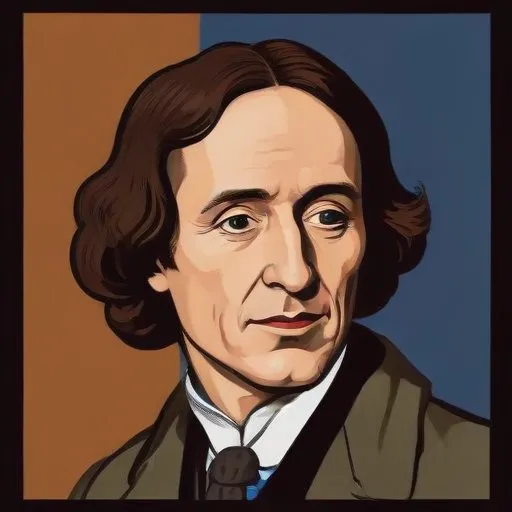
A metaphysical poet and Anglican priest, he crafted intricate, symbolic, and introspective verse that explored the human condition and spirituality. His poetry is revered for its lyricism, depth, and emotional resonance.
George Herbert, a 17th-century English poet, orator, and priest, is renowned for his profound and intricate devotional lyrics that continue to resonate with readers to this day. His poetry, characterized by its metaphysical nuances and introspective nature, has earned him a revered place among the pantheon of British literary giants.
Born on April 3, 1593, in Montgomery, Wales, George Herbert was the son of Richard Herbert and Magdalen Newport. His family, steeped in artistic and literary traditions, encouraged his early interest in poetry and the arts. Herbert's education at Trinity College, Cambridge, where he was admitted in 1609, laid the foundation for his future literary pursuits.
Herbert's poetry is often associated with the metaphysical school, a group of 17th-century poets known for their complex and abstract style. His works, marked by their use of subtle imagery, clever wordplay, and introspective themes, explore the intricacies of human nature, faith, and mortality. Poems like "The Temple" and "The Bunch of Grapes" exemplify his mastery of the metaphysical genre, showcasing his unique blend of intellectual curiosity and spiritual sensitivity.
In his mid-30s, Herbert renounced his secular ambitions and took holy orders in the Church of England. He spent the remainder of his life as the rector of Fugglestone St Peter, a rural parish near Salisbury, where he dedicated himself to serving his community with unwavering compassion and kindness. His selfless dedication to his parishioners, whom he tended to with gentle care, earned him the respect and admiration of his contemporaries.
George Herbert's impact on English literature is profound and far-reaching. His poetry, with its intricate structures and introspective themes, has inspired generations of writers, including Samuel Taylor Coleridge, William Wordsworth, and T.S. Eliot. His legacy extends beyond literature, too, as his commitment to social service and his compassionate approach to ministry have influenced countless individuals in the clergy and beyond.
"A better head, a better heart, a better hand, my God, thou hast given me; use them, I beseech thee, for thy glory."
George Herbert's life and works are a testament to the power of faith, compassion, and intellectual curiosity. In an era marked by turmoil and social change, he remained steadfast in his commitment to serving others, inspiring generations to come. As a poet, priest, and philanthropist, Herbert's legacy continues to illuminate the complexities of the human experience, offering a profound and enduring message of hope and redemption.
Born in 1573
A 17th-century poet and cleric who penned powerful, metaphysical sonnets that explored themes of love, death, and spirituality. His works are celebrated for their complex, intricate language and profound insights into the human experience.
Born in 1572
A prominent figure in the English Renaissance, known for his witty plays and poems that explored themes of love, power, and morality. His works continue to influence literature and theater to this day.
Born in 1591
A 17th-century poet and Anglican priest, he's celebrated for his lyrical and sensual verses, particularly in his collection "Hesperides", which explores themes of love, nature, and mortality.
Born in 1621
A 17th-century poet and politician who wrote lyrical and metaphysical verse, as well as satirical attacks on the government, blending art and politics in his work.
Born in 1608
Wrote epic poems, including "Paradise Lost", that explored themes of morality, free will, and the human condition.
