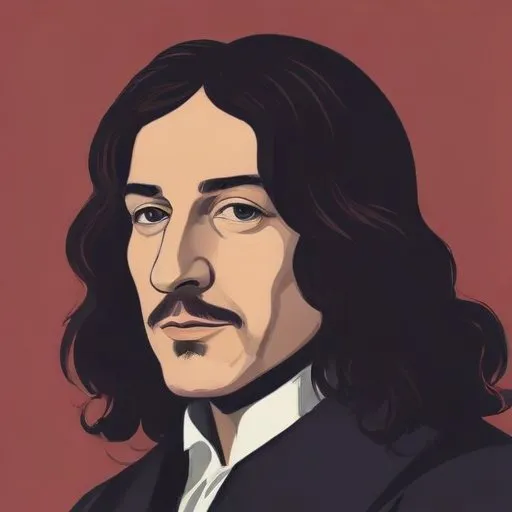
Andrew Marvell: The Metaphysical Maestro of 17th-Century English Literature
A Poetic Force to be Reckoned With
Andrew Marvell, a luminary of 17th-century English literature, is renowned for his mesmerizing metaphysical poetry, scathing satires, and unwavering dedication to the Parliamentarian cause. As a poet, satirist, and politician, Marvell's multifaceted persona left an indelible mark on the literary and political landscapes of his time.
Early Life and Education
Born on March 31, 1621, in Winestead, East Riding of Yorkshire, Marvell was the son of Andrew Marvell Sr., a Church of England clergyman. The family's relocation to Hull saw Marvell receive his early education at Hull Grammar School. Later, he attended Trinity College, Cambridge, where he earned a BA degree. A portrait of Marvell, attributed to
Godfrey Kneller, now hangs proudly in Trinity College's collection.
The Continental Sojourn and Emergence as a Poet
In the midst of England's civil war, Marvell embarked on a continental journey, likely serving as a tutor for an aristocrat on the Grand Tour. During his travels, he mastered four languages, including French, Italian, and Spanish. His time in Rome (1645) afforded him the opportunity to meet notable figures such as the Villiers brothers and Richard Flecknoe, the latter becoming the subject of a scathing satirical poem.
Poetic Masterpieces and Satirical Panache
Marvell's poetry is a testament to his skill and versatility. His early poems, written in Latin and Greek, lamented the plague and celebrated the royal family. Later works, such as "To His Coy Mistress," "Upon Appleton House," and "The Garden," showcased his mastery of metaphysical poetry, exploring themes of love, nature, and the human condition. His satires, including "An Horatian Ode upon Cromwell's Return from Ireland," "Flecknoe," and "The Character of Holland," demonstrated his ability to skewer his targets with wit and precision.
Political Pursuits and Parliamentarian Advocacy
Marvell's involvement in politics began during the Commonwealth period, when he worked alongside
John Milton. He sat in the House of Commons at various times between 1659 and 1678, earning a reputation as a steadfast advocate for the Parliamentarian cause. His poetry often reflected his political leanings, as seen in works like "An Horatian Ode upon Cromwell's Return from Ireland."
Legacy and Impact
Andrew Marvell's contributions to English literature are immeasurable. His unique blend of metaphysical poetry and satire continues to influence writers to this day. As a politician, his unwavering dedication to the Parliamentarian cause left a lasting impact on the country's political landscape. Marvell's legacy serves as a testament to his boundless talent, intellectual curiosity, and unshakeable convictions.
Personal Milestones and Key Life Events
- March 31, 1621: Born in Winstead, East Riding of Yorkshire
- Attended Hull Grammar School
- Earned a BA degree from Trinity College, Cambridge
- Travelled to continental Europe (mid-1642 onwards)
- Published early poems in Latin and Greek
- Sat in the House of Commons (various times between 1659 and 1678)
- Died on August 16, 1678
A Lasting Testament to Marvell's Genius
Andrew Marvell's life and works serve as a powerful testament to his boundless talent, intellectual curiosity, and unwavering convictions. As a poet, satirist, and politician, Marvell's multifaceted persona continues to fascinate and inspire generations of scholars, writers, and poetry enthusiasts alike.
FAQ
What is Andrew Marvells significance in English literature?
Andrew Marvell is a significant figure in English literature, known for his metaphysical poetry and satirical writings. He was a prominent poet, politician, and satirist during the 17th century English Civil War.
What are some of Andrew Marvells most famous poems?
Some of Andrew Marvells most famous poems include To His Coy Mistress, Upon Appleton House, and The Garden. These poems showcase his mastery of metaphysical poetry and his ability to explore themes of love, nature, and politics.
How did Andrew Marvells poetry influence the development of English literature?
Andrew Marvells poetry had a significant impact on the development of English literature, influencing later poets such as John Dryden and Alexander Pope. His use of metaphysical imagery and satire paved the way for later literary movements.
What is Andrew Marvells role in the English Civil War?
Andrew Marvell played a significant role in the English Civil War as a politician and satirist. He was a strong supporter of Oliver Cromwell and the Commonwealth, and his writings often reflected his political views.
How can Andrew Marvells poetry be interpreted in modern times?
Andrew Marvells poetry can be interpreted in modern times by analyzing its themes of love, nature, and politics in the context of contemporary issues. His use of metaphysical imagery can also be seen as a precursor to modernist poetry.