


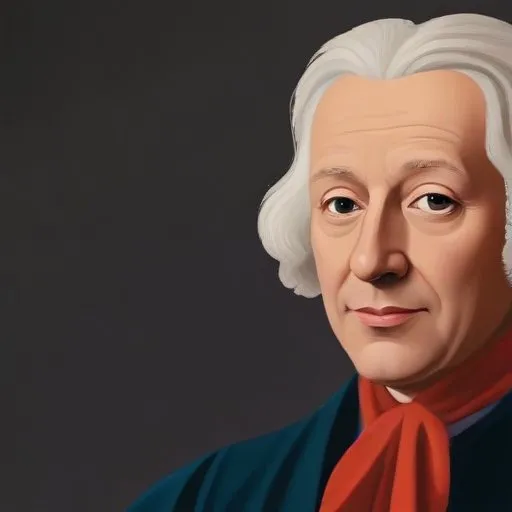
A dominant literary figure of the Restoration era, known for his influential poetry, plays, and critical essays that shaped the English literary landscape. He's often credited with creating a new style of heroic drama and satire.
John Dryden, born on August 19, 1631, was an English poet, literary critic, translator, and playwright who dominated the literary scene of Restoration England, earning him the esteemed title of England's first Poet Laureate in 1668. He is renowned for his unparalleled contribution to the literary world, with Romantic writer Sir Walter Scott dubbing him "Glorious John."
Dryden was born in the picturesque village rectory of Aldwincle, near Thrapston in Northamptonshire, to Erasmus Dryden and Mary Pickering. He was the eldest of fourteen children, descended from Puritan landowning gentry who supported the Puritan cause and Parliament. His family ties extended to Jonathan Swift, with whom he shared a second cousin once removed relationship.
Dryden's early education took place in the nearby village of Titchmarsh, where he likely received his initial schooling. In 1644, he was sent to Westminster School as a King's Scholar, where his headmaster was the charismatic Richard Busby, a severe disciplinarian. At Westminster, Dryden was immersed in a curriculum that fostered a deep understanding of rhetoric and the art of presenting arguments from multiple perspectives, a skill he would later masterfully employ in his writing.
Dryden's literary career spanned multiple genres, including poetry, criticism, translation, and playwriting. His pioneering work, Annus Mirabilis (1667), cemented his reputation as a leading poet of his time. As Poet Laureate, he played a crucial role in shaping the literary landscape of Restoration England, earning him the distinction of having an entire era, the "Age of Dryden," named after him.
Throughout his career, Dryden demonstrated an extraordinary capacity for assimilation, evident in his translations of classical works, such as Virgil's Georgics and Aeneid. His plays, including All for Love and
Dryden's writing was deeply rooted in his philosophical beliefs, which were shaped by his experiences and education. His works often grappled with the complexities of human nature, exploring themes of morality, politics, and social commentary. His dialectical approach to argumentation, honed during his Westminster days, allowed him to present multiple perspectives, making his writing both engaging and thought-provoking.
As a leading figure in Restoration England, Dryden's influence extended beyond the literary sphere, shaping the cultural and intellectual landscape of his time. His works continue to inspire and inform, offering valuable insights into the human condition and the complexities of the world around us.
John Dryden's legacy endures as a testament to his pioneering spirit and literary genius. He paved the way for future generations of writers, influencing giants like Alexander Pope and Samuel Johnson. His work remains an integral part of the literary canon, a rich tapestry of poetry, drama, and criticism that continues to captivate audiences to this day.
Born in 1667
A witty wordsmith who penned scathing social commentaries, including the iconic "Gulliver's Travels", which continue to delight and provoke readers to this day.
Born in 1672
A renowned 18th-century writer and statesman who penned influential essays and plays, shaping English literature and politics. He's most famous for his witty, insightful writings in The Spectator magazine.
Born in 1672
A pioneering journalist and playwright who co-founded The Tatler and The Spectator, influential publications that shaped 18th-century British literature and culture.
Born in 1670
Restoration-era playwright and poet renowned for witty, satirical comedies of manners that continue to influence English literature and theatre. His works remain popular for their clever dialogue and insight into human nature.
Born in 1608
Wrote epic poems, including "Paradise Lost", that explored themes of morality, free will, and the human condition.
Born in 1621
A 17th-century poet and politician who wrote lyrical and metaphysical verse, as well as satirical attacks on the government, blending art and politics in his work.
Born in 1846
A Nigerian priest and historian who wrote the first comprehensive history of the Yoruba people, providing valuable insights into their culture and traditions.
