


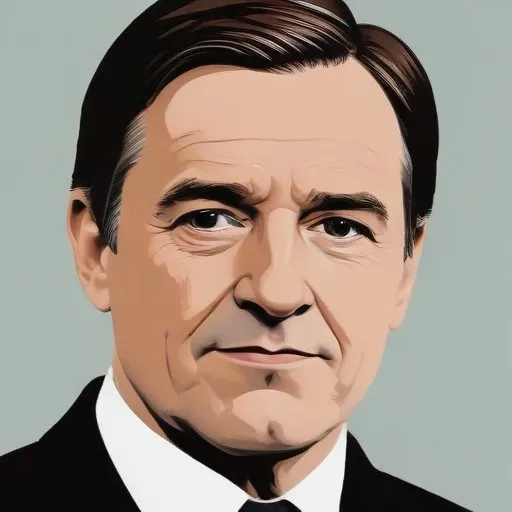
A pioneering journalist and playwright who co-founded The Tatler and The Spectator, influential publications that shaped 18th-century British literature and culture.
RICHARD STEELE, the renowned Anglo-Irish writer, playwright, and politician, is best known for co-founding the iconic magazine The Spectator alongside his close friend Joseph Addison. This groundbreaking publication, which debuted in 1711, revolutionized English literature and journalism, shaping the course of modern media.
Steele was born in Dublin, Ireland, in 1671, to Richard Steele, a wealthy attorney, and Elinor Symes (née Sheyles). His uncle, Sir William Steele, Lord Chancellor of Ireland, played a significant role in his early life. Following the death of his parents, Steele was raised by his uncle and aunt, Henry Gascoigne and Lady Katherine Mildmay.
He received his education at Charterhouse School, where he first met his lifelong friend and collaborator, Joseph Addison. Steele later attended Christ Church, Oxford, and then Merton College, Oxford, before joining the Life Guards of the Household Cavalry to support King William's wars against France.
Steele's literary journey began with the publication of The Christian Hero in 1701, a pamphlet that aimed to redefine masculinity. Although the work was ridiculed for its perceived hypocrisy, it demonstrated Steele's ability to spark important conversations. His subsequent comedy, The Funeral, met with immense success, bringing him to the attention of the King and the Whig party.
The launch of The Spectator in 1711 marked a significant milestone in Steele's career. This influential magazine, which ran for 555 issues, provided a platform for Steele and Addison to offer witty commentary on politics, society, and culture. Their satirical writings not only entertained but also educated the masses, shaping public opinion and influencing politics.
In addition to his literary pursuits, Steele pursued a career in politics. He was elected to Parliament in 1713 and became a prominent figure in the Whig party. Steele's writings and speeches reflected his commitment to reform and his opposition to corruption.
Throughout his life, Steele remained dedicated to his craft, producing numerous plays, essays, and pamphlets. His works often tackled complex issues, such as morality, politics, and social reform, earning him both praise and criticism.
RICHARD STEELE'S impact on English literature and journalism cannot be overstated. His innovative approach to journalism, exemplified by The Spectator, paved the way for modern media. His contributions to the world of literature, politics, and education continue to inspire generations of writers, thinkers, and leaders.
Through his visionary work, Richard Steele left an indelible mark on the world of literature, journalism, and politics, cementing his place as one of the most significant figures of the 18th century.
Born in 1672
A renowned 18th-century writer and statesman who penned influential essays and plays, shaping English literature and politics. He's most famous for his witty, insightful writings in The Spectator magazine.
Born in 1667
A witty wordsmith who penned scathing social commentaries, including the iconic "Gulliver's Travels", which continue to delight and provoke readers to this day.
Born in 1631
A dominant literary figure of the Restoration era, known for his influential poetry, plays, and critical essays that shaped the English literary landscape. He's often credited with creating a new style of heroic drama and satire.
Born in 1670
Restoration-era playwright and poet renowned for witty, satirical comedies of manners that continue to influence English literature and theatre. His works remain popular for their clever dialogue and insight into human nature.
82 Years Old
A German-Canadian singer-songwriter, guitarist, and producer, known for his eclectic style blending rock, folk, and blues, and as the frontman of the rock band Steppenwolf. He's famous for hits like "Born to Be Wild" and "Magic Carpet Ride".
Born in 1707
Wrote influential and satirical novels of manners, such as "Tom Jones", that explored the social and moral issues of 18th-century England.
