


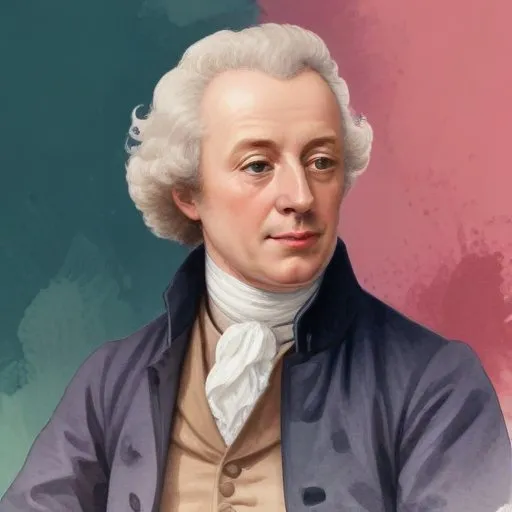
Restoration-era playwright and poet renowned for witty, satirical comedies of manners that continue to influence English literature and theatre. His works remain popular for their clever dialogue and insight into human nature.
William Congreve, a prominent English playwright, poet, and Whig politician, is renowned for shaping the English comedy of manners through his works that form an essential component of Restoration literature. His satirical plays, characterized by witty dialogue and strong characterizations, continue to enthrall audiences to this day.
Born on January 24, 1670, in Bardsey Grange, Yorkshire, Congreve was the son of Colonel William Congreve and Mary Browning. His family moved to London in 1672 and later to Youghal, Ireland, in 1674. Congreve received his education at Kilkenny College, where he befriended Jonathan Swift, and later at Trinity College Dublin. He then moved to London to study law at the Middle Temple but was irresistibly drawn to literature, drama, and the fashionable life of the city.
Congreve's literary career began with the publication of Incognita or, Love and Duty reconcild in 1692, under the pseudonym Cleophil. This early work earned him recognition among men of letters and entry into the literary world. He went on to write several notable plays, including:
These plays, often considered some of the greatest comedies of manners in the English language, showcased Congreve's mastery of satire, dialogue, and character development.
Congreve's works had a profound impact on the development of English comedy. He was a key figure in the Restoration literary circle, which included prominent writers like John Dryden, Alexander Pope, and Jonathan Swift. His plays, with their emphasis on social commentary and witty dialogue, continue to inspire writers and theater practitioners to this day.
Congreve's legacy extends beyond his literary contributions. He was a close friend and associate of prominent figures, including Lady Elizabeth Hastings, and his writings often reflected his connections to the London intelligentsia.
Congreve's personal life was marked by his association with various literary circles, including the gatherings at Wills Coffeehouse in Covent Garden. He remained a devoted friend and protégé of John Dryden, who often composed complimentary introductions for his publications.
Congreve died on January 19, 1729, in London, and was buried in the Poets' Corner of Westminster Abbey, a testament to his significant contributions to English literature.
Born in 1667
A witty wordsmith who penned scathing social commentaries, including the iconic "Gulliver's Travels", which continue to delight and provoke readers to this day.
Born in 1631
A dominant literary figure of the Restoration era, known for his influential poetry, plays, and critical essays that shaped the English literary landscape. He's often credited with creating a new style of heroic drama and satire.
Born in 1664
Designed grand English country houses, like Blenheim Palace, and wrote witty Restoration comedies, blending architecture and drama.
Born in 1672
A pioneering journalist and playwright who co-founded The Tatler and The Spectator, influential publications that shaped 18th-century British literature and culture.
Born in 1672
A renowned 18th-century writer and statesman who penned influential essays and plays, shaping English literature and politics. He's most famous for his witty, insightful writings in The Spectator magazine.
