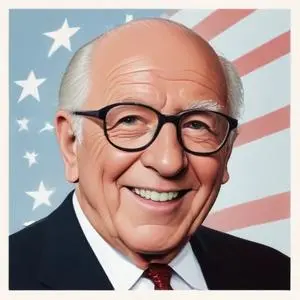
George P. Shultz: A Life of Statesmanship and Visionary Leadership
A Towering Figure in American Politics
George P. Shultz is best known for his remarkable service as the 62nd United States Secretary of State from 1982 to 1989, during which he played a crucial role in shaping the foreign policy of the Reagan administration. As one of the most influential Secretaries of State in American history, Shultz was instrumental in ending the Cold War, brokering a peaceful resolution to the conflict in Nicaragua, and facilitating the reunification of Germany.
Early Life and Education
Born on December 13, 1920, in New York City, Shultz grew up in Englewood, New Jersey. He earned his undergraduate degree from Princeton University in 1942 and went on to serve in the United States Marine Corps during World War II. After the war, he completed his Ph.D. in industrial economics from the Massachusetts Institute of Technology (MIT) in 1949.
Rise to Prominence
Shultz's distinguished career in public service began in the 1950s, when he served as a professor of industrial relations at MIT and later as the dean of the University of Chicago's Graduate School of Business. His expertise in economics and labor relations led to his appointment as the Secretary of Labor from 1969 to 1970, during the Nixon administration. He then served as the Director of the Office of Management and Budget (OMB) from 1970 to 1972, and later as the Secretary of the Treasury from 1972 to 1974.
Secretary of State and Cold War Diplomacy
Shultz's greatest legacy is his tenure as Secretary of State, during which he forged a strong partnership with President
Ronald Reagan to shape American foreign policy. He played a key role in negotiating the Intermediate-Range Nuclear Forces Treaty (INF) with the Soviet Union, which led to the withdrawal of Soviet troops from Afghanistan and the eventual collapse of the Soviet empire.
Philosophical Contributions and Beliefs
Shultz has been an ardent advocate for economic freedom, limited government intervention, and human rights. He has also been a strong proponent of international cooperation and diplomacy, often stating that "diplomacy is the art of letting someone else have your way."
Personal Milestones and Key Life Events
Shultz has received numerous honors and awards for his distinguished service, including the Presidential Medal of Freedom, the nation's highest civilian honor. He has also been recognized for his literary contributions, including his memoirs,
Turmoil and Triumph: My Years as Secretary of State, which offer a candid and insightful look into his experiences as a statesman.
Legacy and Impact on Modern Society
Shultz's legacy extends far beyond his time in office. He has inspired generations of policymakers, diplomats, and scholars with his commitment to public service, his intellectual curiosity, and his unwavering dedication to the principles of freedom and democracy.
Quotes and Memorable Sayings
- "The most important thing is to stop saying 'I wish' and start saying 'I will'."
- "Diplomacy is the art of letting someone else have your way."
- "The purpose of foreign policy is to get something done, not simply to make a statement."
Historical Context and Legacy
Shultz's life and legacy are a testament to the power of visionary leadership and statesmanship. His unwavering commitment to his principles, his intellectual rigor, and his diplomatic acumen have left an indelible mark on American politics and international relations. As a towering figure in American history, George P. Shultz continues to inspire and motivate future generations of leaders and policymakers.
FAQ
What was George P. Shultzs most notable role in government?
George P. Shultzs most notable role in government was as the 60th United States Secretary of State, serving from 1982 to 1989 under President Ronald Reagan.
What was George P. Shultzs role in shaping U.S. foreign policy?
George P. Shultz played a key role in shaping U.S. foreign policy during the Cold War era, particularly in relation to the Soviet Union. He was a strong advocate for diplomacy and negotiations, and helped to craft the Reagan administrations policy of détente with the Soviets.
What was George P. Shultzs stance on nuclear disarmament?
George P. Shultz was a strong advocate for nuclear disarmament, and played a key role in negotiating the Intermediate-Range Nuclear Forces Treaty (INF) with the Soviet Union in 1987.
What was George P. Shultzs relationship like with President Ronald Reagan?
George P. Shultz had a close and trusted relationship with President Ronald Reagan, serving as one of his most senior advisors on foreign policy matters.
What is George P. Shultzs legacy in American politics?
George P. Shultzs legacy in American politics is that of a skilled diplomat and statesman who played a key role in shaping U.S. foreign policy during a critical period in world history. He is widely respected for his integrity, wisdom, and commitment to public service.