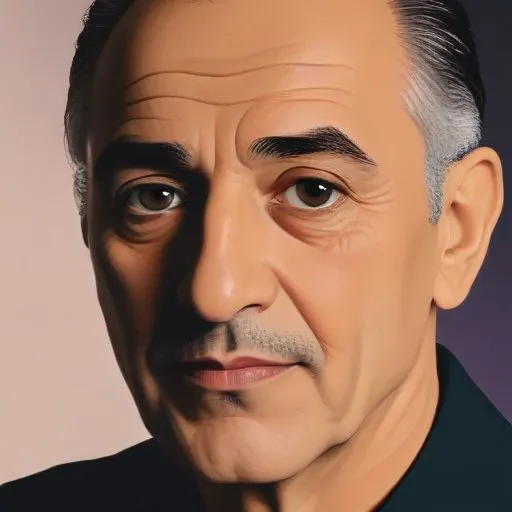
Georges Schehadé: The Lebanese Poet and Playwright Who Brought Arabic Theatre to the World Stage
A Pioneer in Arabic Literature
Georges Schehadé is renowned for being one of the most prominent Lebanese poets and playwrights of the 20th century, credited with revolutionizing Arabic theatre by infusing it with Western techniques and themes. His innovative works not only redefined the literary landscape of the Middle East but also earned him international recognition, making him a household name in literary circles worldwide.
Early Life and Career
Born on November 2, 1905, in Alexandria, Egypt, to a Lebanese Maronite family, Schehadé's early life was marked by a fascination with literature and the arts. He began writing poetry at a young age and went on to study law in Beirut, although his true passion remained in the creative sphere. After completing his studies, Schehadé worked as a journalist and later as a teacher, all the while honing his writing skills.
Major Works and Contributions
Schehadé's most notable contribution to Arabic literature is his play
The Song of the Rain, which premiered in 1944 and is still widely performed today. This seminal work blended traditional Arabic folk music with modernist techniques, creating a unique and captivating theatrical experience. His poetry collections, such as
Bordeaux Poem and
Images et Miroirs, showcase his mastery of language and exploration of themes like love, nature, and the human condition.
Philosophical Contributions and Beliefs
Schehadé's writing is imbued with a deep sense of humanism and a belief in the power of art to bridge cultural divides. He drew inspiration from various philosophical traditions, including Existentialism and Surrealism, which is reflected in his works' emphasis on individual freedom and the search for meaning.
Influence on Modern Society
Through his innovative approach to Arabic theatre, Schehadé helped to promote cultural exchange between the Middle East and the West. His works have been translated into multiple languages, making them accessible to a global audience and paving the way for future generations of Arabic writers and artists.
Awards and Honors
Schehadé's contributions to literature were recognized with numerous awards, including the prestigious Prix du Maroc in 1954 and the Lebanese National Order of Merit in 1967.
Personal Milestones and Legacy
Throughout his life, Schehadé remained committed to his craft, continuing to write and innovate until his passing on January 9, 1989. His legacy extends beyond his own works, as he inspired a new wave of Arabic writers and artists to experiment with different forms and themes.
Trivia and Fun Facts
- Schehadé was a polyglot, speaking Arabic, French, English, and Italian fluently.
- He was a strong advocate for women's rights and education, often addressing these topics in his writing.
- Schehadé's plays have been performed in various international festivals, including the Avignon Festival in France.
Conclusion
Georges Schehadé's remarkable body of work has left an indelible mark on Arabic literature and theatre. As a pioneer in his field, he continues to inspire new generations of writers, artists, and thinkers, cementing his place as one of the most important cultural figures of the 20th century.
FAQ
What is Georges Schehadés literary style?
Georges Schehadés literary style is characterized by a blend of poetry, drama, and philosophy, exploring themes of love, death, and the human condition.
What is Georges Schehadés most famous work?
Georges Schehadés most famous work is the play MIRA Warda, which has been translated into several languages and performed internationally.
What is Georges Schehadés poetic style?
Georges Schehadés poetic style is marked by simplicity, depth, and lyricism, often exploring the intersection of Eastern and Western cultures.
Has Georges Schehadés work been translated?
Yes, Georges Schehadés work has been translated into several languages, including French, English, and Arabic, making his poetry and plays accessible to a global audience.
What is Georges Schehadés contribution to Lebanese literature?
Georges Schehadés contribution to Lebanese literature is significant, as he has helped to promote Lebanese culture and identity through his writing, which has been widely acclaimed and studied.