


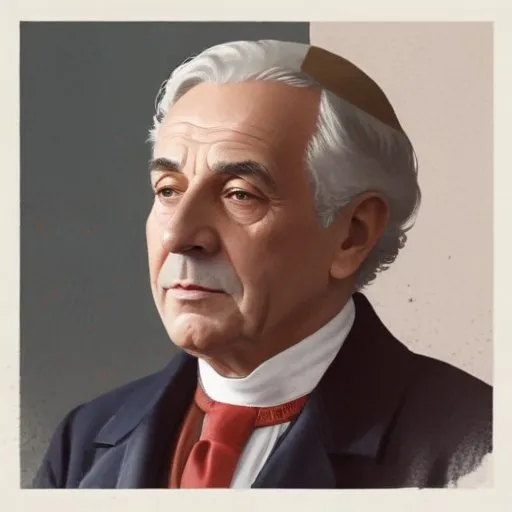
A 16th-century poet and scholar who wrote influential works on mythology and literature, contributing to the Renaissance humanist movement.
Giglio Gregorio Giraldi, an Italian scholar and poet, is renowned for his groundbreaking contributions to the systematic study of classical mythology. His magnum opus, Historia de deis gentium, published in 1548, marked a significant milestone in the field of classical studies, earning him recognition as one of the foremost scholars of his time.
Giraldi was born on June 14, 1479, in Ferrara, Italy. He demonstrated exceptional talent and acquirements from an early age, which led him to pursue his literary studies in Naples. There, he formed close relationships with notable figures such as Jovianus Pontanus and Sannazaro.
Giraldi's academic pursuits took him to Lombardy, where he tutored Ercole, later known as Cardinal Rangone. In 1507, he studied Greek under the guidance of Chalcondylas in Milan. His extensive knowledge and expertise earned him the position of apostolic protonotary under Pope Clement VII in Rome.
Giraldi's scholarly endeavors were driven by a deep-seated passion for classical learning and a desire to understand the intricacies of ancient mythology. His works demonstrate a commitment to accuracy, profundity, and systematic thinking, which earned him recognition from contemporary and later scholars alike.
Giraldi's life was marked by periods of turmoil and strife. He lost his property during the sack of Rome in 1527 and faced poverty and neglect in his later years. Despite these challenges, he continued to produce remarkable works, leaving behind a legacy that would inspire future generations of scholars.
Giraldi's contributions to classical mythology and his efforts to reform the calendar have had a lasting impact on modern society. His work has influenced scholars and intellectuals across centuries, shaping our understanding of ancient cultures and their significance in modern times.
Giraldi's epitaph, inscribed on his tomb in Ferrara, poignantly captures the sorrow of his later years, marked by poverty and neglect. Yet, his legacy endures, a testament to the power of human ingenuity and perseverance in the face of adversity.
Montaigne, in one of his essays, lamented Giraldi's destitute circumstances, a poignant reminder of the challenges faced by scholars throughout history. Despite these challenges, Giraldi's work continues to inspire and educate, a lasting tribute to his erudition and dedication to classical learning.
Born in 1304
A 14th-century Italian poet and scholar who pioneered the Renaissance humanist movement, revitalizing interest in classical Greek and Roman literature, and inspiring a new era of artistic and intellectual exploration.
Born in 1449
Renaissance leader who ruled Florence and sponsored artists like Michelangelo and Botticelli, shaping the city's cultural and artistic heritage.
Born in 1469
Italian historian and philosopher who wrote "The Prince", a seminal work on politics and power that still influences modern leadership and governance today.
Born in 1404
Renaissance mastermind who excelled in various artistic and intellectual pursuits, leaving a lasting impact on the development of humanism and art theory.
