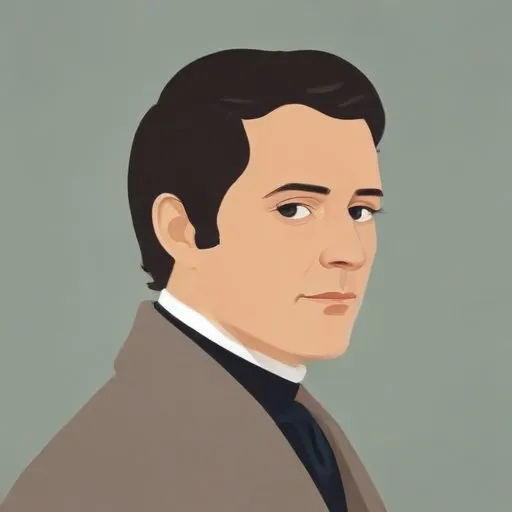
Gilbert de Clare, 7th Earl of Gloucester, 6th Earl of Hertford: The Powerful English Magnate
Gilbert de Clare, also known as Red Gilbert de Clare or The Red Earl, was a prominent English nobleman who held significant power and influence during the 13th century. He was known for his impressive portfolio of titles, including Lord of Glamorgan, one of the most powerful and wealthy of the Welsh Marcher Lordships, and over 200 English manors.
Early Life and Lineage
Gilbert de Clare was born on September 2, 1243, at Christchurch, Hampshire, to Richard de Clare, Earl of Hertford and Gloucester, and Maud de Lacy, daughter of John de Lacy and Margaret de Quincy. He inherited his father's estates in 1262, taking on the titles, including Lord of Glamorgan, from 1263.
Rise to Power and the Second Barons' War
During the Second Barons' War, Gilbert de Clare played a significant role, particularly in April 1264, when he led the massacre of the Jews at Canterbury. His castles of Kingston and Tonbridge were taken by King Henry III, but the King allowed Clare's Countess Alice de Lusignan, who was in the latter, to go free because she was his niece. On 12 May, Clare and Montfort were denounced as traitors. Two days later, just before the Battle of Lewes, Simon de Montfort knighted the Earl and his brother Thomas.
The Battle of Lewes and Excommunication
The Earl commanded the central division of the Baronial army, which formed up on the Downs west of Lewes. When Prince Edward had left the field in pursuit of Montfort's routed left wing, the King and Earl of Cornwall were thrown back to the town. Henry took refuge in the Priory of St Pancras, and Gilbert accepted the surrender of the Earl of Cornwall, who had hidden in a windmill. Montfort and the Earl were now supreme, and Montfort in effect became the de facto King of England. However, on 20 October 1264, Gilbert was excommunicated.
Personal Milestones and Key Life Events
Gilbert de Clare's personal life was marked by significant events, including his marriage to Alice de Lusignan, niece of King Henry III, and his later marriage to Joan of Acre, daughter of King Edward I. He also had several children, including Gilbert de Clare, Earl of Gloucester and Hertford, and Eleanor de Clare.
Legacy and Impact on Modern Society
Gilbert de Clare's influence on modern society is felt through his descendants, who continued to hold significant power and influence in England. His legacy is also marked by his role in shaping the course of English history, particularly during the Second Barons' War.
Historical Context and Comparative Analysis with Contemporaries
Gilbert de Clare lived during a tumultuous period in English history, marked by conflicts between the monarchy and the nobility. His life and actions can be compared to those of his contemporaries, including Simon de Montfort and King Henry III, who also played significant roles in shaping the course of English history.
Trivia and Fun Facts
- Gilbert de Clare was known as Red Gilbert de Clare or The Red Earl, likely due to his hair color or fiery temper in battle.
- He held over 200 English manors, making him one of the most powerful and wealthy nobles of his time.
- Clare's castles of Kingston and Tonbridge were taken by King Henry III, but he was later allowed to retake them.
Conclusion
Gilbert de Clare, 7th Earl of Gloucester, 6th Earl of Hertford, was a powerful and influential English nobleman who played a significant role in shaping the course of English history. His legacy continues to be felt through his descendants and his impact on modern society.
FAQ
What was Gilbert de Clares role in English history?
Gilbert de Clare, 7th Earl of Gloucester, 6th Earl of Hertford was an English politician and military leader who played a key role in the Second Barons War and the reign of King Edward I.
How did Gilbert de Clare gain his titles?
Gilbert de Clare inherited his titles from his father, Richard de Clare, and became one of the most powerful nobles in England during the 13th century.
What was Gilbert de Clares relationship with King Edward I?
Gilbert de Clare was a close ally and advisor to King Edward I, and played a key role in the kings military campaigns in Wales and Scotland.
What are Gilbert de Clares achievements?
Gilbert de Clares achievements include his military campaigns in Wales and Scotland, his role in the Second Barons War, and his service as a member of the Royal Council.
What is Gilbert de Clares legacy?
Gilbert de Clares legacy is as a powerful and influential noble who played a key role in shaping English history during the 13th century.