


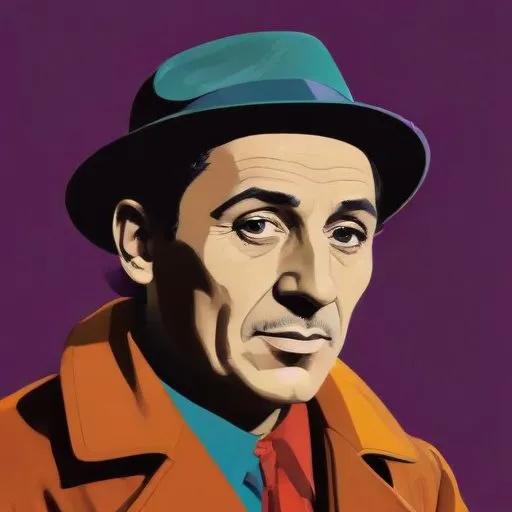
Wrote the lyrics to "Il Canto degli Italiani", the national anthem of Italy, and was a key figure in the country's unification movement. His patriotic poetry and songs inspired a generation of Italians.
Goffredo Mameli is an iconic figure in Italian history, celebrated for his poetic genius and patriotic fervor. He is, above all, the author of the lyrics of Il Canto degli Italiani, Italy's national anthem, a symbol of national pride and unity.
Born on September 5, 1827, in Genoa, Italy, Mameli was the son of an aristocratic Sardinian admiral. At the tender age of seven, he was sent to Sardinia to escape the cholera epidemic, only to return to Genoa to complete his studies. This brief experience in Sardinia would later influence his nationalistic sentiments.
In 1847, Mameli joined the Società Entelema, a cultural movement that soon transformed into a political movement. It was during this period that he became enamored with the theories of Giuseppe Mazzini, a prominent Italian nationalist. This marked the beginning of Mameli's involvement in nationalist movements and insurrectional activities.
Mameli's most enduring legacy is the creation of the lyrics to Il Canto degli Italiani, set to music by Michele Novaro. The hymn was first performed in November 1847, celebrating King Charles Albert of Sardinia's visit to Genoa after his reforms. The song's inspiring lyrics captured the essence of Italian patriotism, resonating with the people and becoming an instant classic.
Mameli's life was marked by a series of bold actions, including the display of the Tricolore, the current Italian flag, which was then prohibited, to celebrate the expulsion of Austrians in 1846. In 1848, he organized an expedition with 300 patriots to support the insurrection in Milan, joining forces with Nino Bixio, a prominent supporter of Giuseppe Garibaldi.
Mameli's work was deeply rooted in Mazzinian ideology, which emphasized the importance of national unity, democracy, and the struggle for independence. His poetry and writings reflected his passion for the Italian cause, inspiring generations to come.
Goffredo Mameli's short but eventful life left an indelible mark on Italian history. His national anthem continues to be a symbol of Italian pride, and his poetry remains a testament to his unwavering dedication to the cause of Italian unification. Mameli's legacy serves as a beacon of inspiration for patriots and nationalists around the world.
"Suona la tromba" ("The trumpet sounds") - A phrase from Mameli's hymn, symbolizing the call to action and the struggle for freedom.
Born in 1813
A renowned composer of iconic operas like La Traviata and Aida, known for his masterful blending of drama and music. His works continue to captivate audiences worldwide.
Born in 1785
Wrote influential novels that helped shape the modern Italian language and identity, particularly with his iconic work "I Promessi Sposi" (The Betrothed).
Born in 1778
A leading figure of Italian Romanticism, known for his passionate and patriotic poetry, which often explored themes of love, beauty, and the struggle for Italian independence.
Born in 1805
A leading figure in the Italian unification movement, he advocated for a unified Italian republic and inspired similar movements across Europe. His ideas influenced modern nationalism and democracy.
