


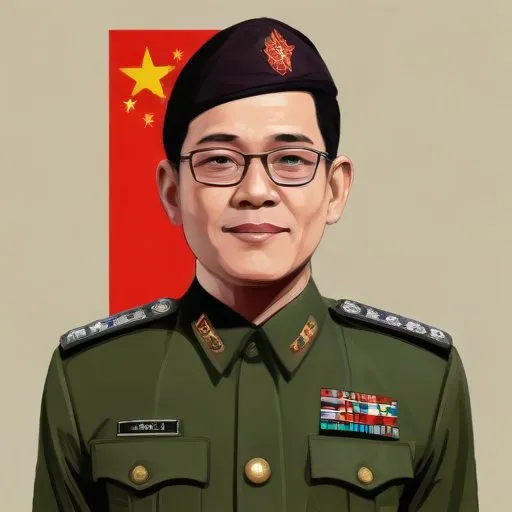
A key figure in Singapore's independence and economic development, he played a crucial role in shaping the country's military and economic policies. He's also credited with transforming Singapore into a modern, industrialized nation.
Goh Keng Swee, one of Singapore's founding fathers, is widely recognized for his pivotal role in shaping the country's economy and defense strategies. As the 2nd Deputy Prime Minister of Singapore from 1973 to 1985, Goh's visionary leadership and economic expertise transformed the nation into a modern, prosperous state.
Goh's illustrious career spanned over three decades, during which he held various ministerial positions, including Minister for Finance, Minister for Interior and Defence, Minister for Defence, and Minister for Education. His extensive experience and expertise in these roles enabled him to make a lasting impact on Singapore's development.
As Minister for Finance, Goh implemented policies that fostered economic growth and stability. He declined to allow the central bank to issue currency, instead opting for a currency board system, which signaled to citizens and the financial world that governments cannot spend their way to prosperity. This move ultimately led to the establishment of the Monetary Authority of Singapore (MAS) in 1971.
As Minister for Interior and Defence, Goh's primary objective was to strengthen Singapore's military and domestic security capabilities after the British withdrawal in 1965. He introduced the National Service (NS) system, a mandatory conscription program for able-bodied young males, to bolster the country's defense.
Goh received numerous awards and honors for his outstanding contributions to Singapore's development. He was awarded the Order of Temasek (First Class) in 1967 and the Order of Nila Utama (First Class) in 1974, two of the country's highest honors.
Goh Keng Swee's remarkable legacy continues to inspire generations of Singaporeans. His economic vision, defense strategies, and commitment to education have left an indelible mark on Singapore's history. Today, he is remembered as one of the nation's founding fathers, a testament to his enduring impact on the country he lovingly served.
"We must not forget that economic development is not an end in itself, but a means to an end. The end is a better life for our people."
– Goh Keng Swee
Born in 1923
The founder of modern Singapore, who transformed the country from a poor post-colonial state to a thriving economic powerhouse through visionary leadership and pragmatic policies. He is revered for his role in shaping Singapore's identity and prosperity.
85 Years Old
The second Prime Minister of Singapore, who led the country's economic growth and transformation into a modern, cosmopolitan nation, and is known for his pragmatic and inclusive leadership style.
86 Years Old
The 7th President of Singapore, a renowned academic and politician, served as the head of state from 2011 to 2017, playing a symbolic role in promoting national unity and stability. He's also known for his contributions to the country's education sector.
Born in 1915
First Foreign Minister of Singapore, instrumental in shaping the country's foreign policy and national identity. Known for his visionary leadership and diplomatic prowess.
Born in 1921
First Deputy Prime Minister of Singapore, instrumental in shaping the country's early years, and a key figure in its independence and development.
90 Years Old
The first architect to become the President of Singapore, known for his humble leadership and efforts to promote social cohesion and national identity.
79 Years Old
Former Deputy Prime Minister of Singapore, serving from 2005 to 2011, and known for his leadership in the country's security and defense sectors. He played a key role in shaping Singapore's national security policies.
