


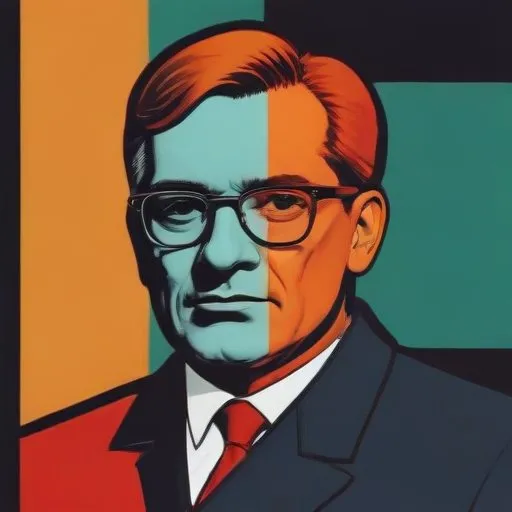
A pioneering post-war architect who merged modernism with traditionalism, creating iconic, expressive buildings that blend into their surroundings.
Gottfried Bhm, renowned German architect and sculptor, left an indelible mark on the world of architecture with his innovative and sculptural buildings made of concrete, steel, and glass. His reputation precedes him, with iconic structures that blur the lines between architecture and art.
Bhm was born on 23 January 1920 in Offenbach am Main, near Frankfurt. He came from a family of architects, with his father, Dominikus Bhm, being a prominent figure in the field, known for his avant-garde churches throughout Germany. This familial influence likely played a significant role in shaping Bhm's future in architecture.
Bhm's first independent building, the Cologne Chapel "Madonna in the Rubble," was completed in 1949. This structure, which stood on the site of a medieval church destroyed during World War II, showcased Bhm's unique approach to architecture. His breakthrough came with the Maria, Knigin des Friedens pilgrimage church in Neviges, hailed as one of his most influential and recognized works.
In 1986, Bhm became the first German architect to receive the prestigious Pritzker Prize, a testament to his groundbreaking contributions to the field. This accolade solidified his position as a leading figure in modern architecture.
These projects demonstrate Bhm's versatility and ability to create structures that transcend functional purposes, becoming works of art in their own right.
In honor of Gottfried Bhm, the City of Cologne has established the Gottfried Bhm Scholarship for postgraduate architects, in collaboration with the Technische Hochschule Kln and the Verein der Freunde Frderer der Technischen Hochschule Kln e.V. This initiative ensures that Bhm's legacy continues to inspire and support future generations of architects.
These experiences, though unrelated to architecture, undoubtedly influenced Bhm's artistic approach and shaped his unique perspective on design.
Bhm's work embodies a deep understanding of the interplay between form, function, and aesthetics. His philosophical approach to architecture emphasizes the importance of creating structures that not only serve a purpose but also evoke emotions and inspire the human spirit.
Gottfried Bhm's innovative and sculptural buildings have had a profound impact on modern architecture, inspiring a new generation of architects to push the boundaries of design. His work continues to influence contemporary architecture, ensuring his legacy will be felt for years to come.
Born in 1886
A pioneering architect who revolutionized modern skyscraper design with sleek, minimalist, and functional buildings that redefined urban landscapes. His iconic creations continue to inspire architects and influence city skylines.
Born in 1883
A pioneer of modernist architecture, he designed iconic buildings that blended functionality with aesthetics, including the John F. Kennedy Federal Building. His work continues to inspire architects and designers today.
Born in 1887
A pioneer of modern architecture, famous for designing innovative, functional, and visually striking buildings that transformed urban landscapes. His works continue to inspire architects and designers worldwide.
Born in 1904
A renowned biologist and ornithologist who pioneered the modern synthesis of evolutionary biology, shaping our understanding of species and their diversity.
