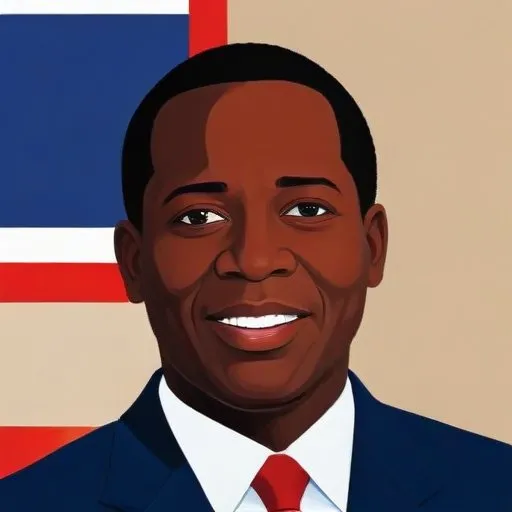
Grard Latortue: The Haitian Politician and Diplomat Who Led a Nation in Turmoil
A Career Marked by Crisis and Resilience
Grard Latortue is best known for his tenure as the Prime Minister of Haiti from 2004 to 2006, a period marked by political upheaval, violence, and international intervention. During this time, he navigated the complexities of Haitian politics, working to stabilize the country and restore order after the removal of President Jean-Bertrand Aristide.
A Life of Public Service
Born on June 19, 1934, Latortue's commitment to public service began early. He spent many years working with the United Nations, eventually serving as foreign minister of Haiti under the short-lived administration of
Leslie Manigat in 1988.
A Turning Point: The 2004 Coup d'État
In February 2004, a coup d'état led to the removal and exile of President Aristide. In the aftermath, an international council of "wise men" was formed to select a new Prime Minister. Latortue, then living in the United States, was chosen for the position and sworn in on March 12, 2004.
Challenges and Controversies
Latortue's administration was not without its challenges. His government faced opposition from the Fanmi Lavalas party and a significant portion of the Haitian population, leading to violence between gangs, rebels, and militants. Despite these difficulties, Latortue's government was recognized by the United Nations, the United States, France, and Canada.
A New Era: The 2006 Elections
After multiple delays, the 2006 elections finally took place on February 7, 2006. These elections marked a significant turning point, as they established a new government and brought an end to Latortue's interim administration.
A Legacy of Service and Diplomacy
Throughout his career, Grard Latortue has demonstrated a commitment to public service and diplomacy. His leadership during a tumultuous period in Haitian history has earned him recognition and respect. After leaving office, Latortue went on to serve as the head of the observer mission of La Francophonie in Togo for the country's 2007 parliamentary elections.
Personal Milestones and Key Life Events
- June 19, 1934: Born in Haiti
- 1988: Served as foreign minister of Haiti under Leslie Manigat
- 2004: Appointed Prime Minister of Haiti following a coup d'état
- 2006: Stepped down as Prime Minister following elections
- 2007: Served as head of the observer mission of La Francophonie in Togo
- February 27, 2023: Passed away
Historical Context and Legacy
Grard Latortue's life and career are a testament to the complex and often tumultuous nature of Haitian politics. Despite the challenges he faced, he remained committed to public service and diplomacy, working to stabilize and strengthen his country. His legacy serves as a reminder of the importance of perseverance and dedication in the face of adversity.
FAQ
What was Gérard Latortues role in Haitian politics?
Gérard Latortue was the Prime Minister of Haiti from 2004 to 2006, and played a key role in stabilizing the country during a period of turmoil.
What was the context of Gérard Latortues rise to power?
Gérard Latortue came to power in 2004 after a rebellion ousted the elected president, Jean-Bertrand Aristide. Latortue was appointed Prime Minister by the interim government.
What were some of Gérard Latortues key accomplishments as Prime Minister?
During his time in office, Gérard Latortue worked to rebuild Haitis economy and infrastructure, and helped to organize democratic elections.
What were some of the challenges Gérard Latortue faced as Prime Minister?
Gérard Latortue faced numerous challenges during his time in office, including widespread violence and political instability. He also had to navigate complex relationships with international donors and the Haitian diaspora.
What is Gérard Latortues legacy in Haitian politics?
Gérard Latortue is remembered as a stabilizing force in Haitian politics during a turbulent period. He helped to pave the way for democratic elections and laid the groundwork for future economic development.