


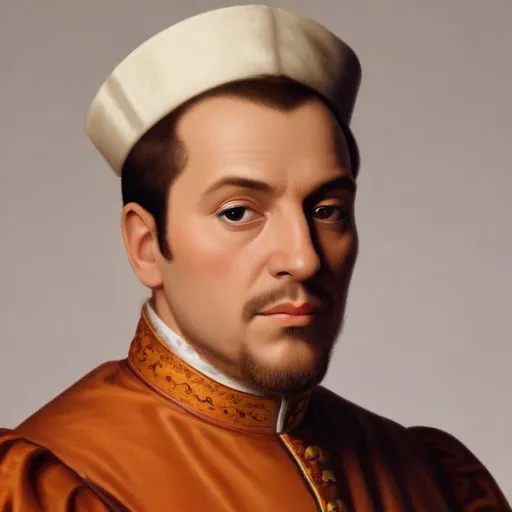
Ruler of Mantua from 1550 to 1587, known for his cultural and artistic achievements, including commissioning famous artists and architects to renovate his city. He was a patron of the arts and a skilled military leader.
Guglielmo Gonzaga, the Duke of Mantua, is renowned for his unwavering patronage of sacred vocal music, leaving an indelible mark on the world of Renaissance music. His extensive correspondence with the celebrated composer Giovanni Pierluigi da Palestrina provides a unique glimpse into his musical preferences and tastes.
Born on April 24, 1538, Guglielmo was the second son of Federico II Gonzaga, Duke of Mantua, and Margaret Palaeologina of Montferrat. Following his father's death in 1550, Guglielmo succeeded him as the Duke of Mantua, a title he held until his own demise in 1587.
Guglielmo's passion for sacred music led him to commission numerous works from prominent composers, including Palestrina and Giaches de Wert. His correspondence with Palestrina offers valuable insights into his musical requirements, revealing a conservative approach that emphasized clarity of text and imitative contrapuntal music.
One of his most notable endeavors was the construction of a grand church in Mantua, dedicated to Santa Barbara. This architectural masterpiece was designed to showcase his commitment to sacred music, providing a platform for the performances of the commissioned works.
In a bold move, Guglielmo engaged in negotiations with the Papacy to create his own rite for Mantua, a testament to his dedication to his faith and his role as a patron of the arts. This undertaking demonstrates his willingness to challenge convention and push the boundaries of artistic expression.
Guglielmo married Eleonora of Austria in 1561, with whom he had three children: Vincenzo, Margherita, and Anna Caterina. His personal life, however, was not without controversy. Three months before his death, he was involved in a violent altercation with Ruggier Trofeo, the organist of the ducal basilica, over a romantic interest.
Guglielmo's legacy extends far beyond his patronage of music. His contributions to the cultural and artistic heritage of Mantua have had a lasting impact on modern society. His commitment to the arts, his willingness to take risks, and his patronage of groundbreaking composers have inspired generations of artists and musicians.
Today, Guglielmo Gonzaga, Duke of Mantua, is remembered as a visionary leader, a patron of the arts, and a champion of sacred music. His life's work continues to inspire and influence artists, musicians, and scholars around the world.
