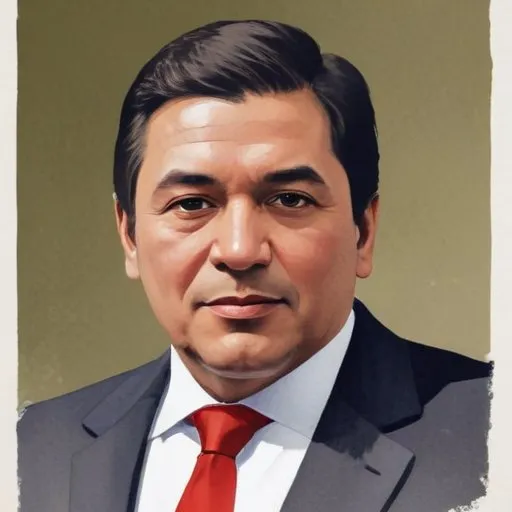
Gustavo Noboa: The 42nd President of Ecuador and a Life of Public Service
Gustavo Noboa is best known for serving as the 42nd President of Ecuador from 2000 to 2003, following a military coup that ousted President
Jamil Mahuad. During his presidency, Noboa focused on reviving the Ecuadorian economy, which was in recession at the time, and implemented measures to free up assets frozen by the previous government.
Early Life and Career
Gustavo Jos Joaqun Noboa Bejarano was born on August 21, 1937. Prior to his presidency, Noboa served as the Governor of Guayas Province from 1983 to 1984 and later as Vice President of Ecuador under President Jamil Mahuad from 1998 to 2000.
Rise to Presidency
On January 21, 2000, a military coup deposed President Mahuad's government, and Noboa became President of Ecuador in constitutional order. During his presidency, Noboa worked to stabilize the economy and implemented policies to reduce the country's foreign debt.
Presidency and Economic Reforms
Noboa's presidency was marked by significant economic reforms, including the freeing of $400 million worth of assets frozen by the previous government. He also implemented measures to reduce the country's foreign debt, which had ballooned to $9 billion. Despite these efforts, Noboa faced criticism for his handling of the debt crisis.
Post-Presidency and Controversies
After leaving office in 2003, Noboa faced accusations of mishandling the country's foreign debt, which led to a Supreme Court case against him. He denied the charges and applied for political asylum in the Dominican Republic, which was granted in 2003. However, in 2005, he was placed under house arrest and later charged with being an accessory after the fact. The charges were eventually lifted in 2006.
Personal Life
Little is known about Noboa's personal life, aside from his birthdate and public service career. His commitment to public service spanned several decades, and his presidency was marked by significant economic reforms and challenges.
Legacy
Gustavo Noboa's legacy is complex and multifaceted. While he faced criticism for his handling of the economy and foreign debt, he also implemented significant reforms and worked to stabilize the country during a period of turmoil. Despite the controversies surrounding his presidency, Noboa remains an important figure in Ecuadorian politics and history.
FAQ
What were Gustavo Noboas achievements as President of Ecuador?
Gustavo Noboa was the 51st President of Ecuador from 2000 to 2003. During his presidency, he implemented various economic reforms, stabilized the economy, and improved public finances.
What is Gustavo Noboas background?
Gustavo Noboa is an Ecuadorian academic and politician. He holds a Ph.D. in economics from the University of Chicago and has taught economics at various universities in Ecuador.
What were Gustavo Noboas economic policies?
Gustavo Noboas economic policies focused on implementing austerity measures, reducing inflation, and increasing foreign investment. He also introduced a new currency, the US dollar, to replace the Ecuadorian sucre.
How did Gustavo Noboa address poverty in Ecuador?
Gustavo Noboa implemented various social programs to address poverty in Ecuador, including the Bono de Desarrollo Humano program, which provided financial assistance to low-income families.
What is Gustavo Noboas legacy in Ecuadorian politics?
Gustavo Noboas legacy in Ecuadorian politics is significant. He is credited with stabilizing the economy and introducing reforms that paved the way for future economic growth.