


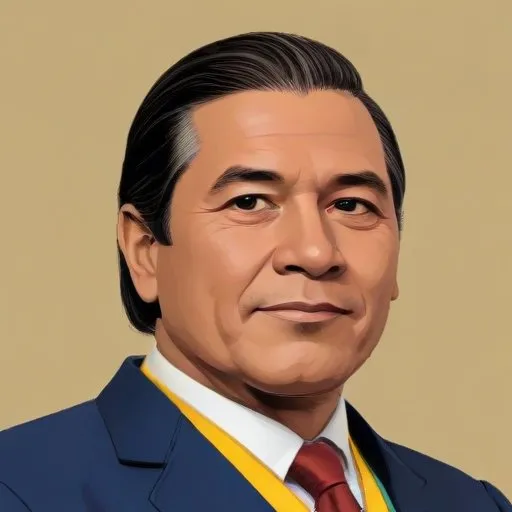
American-Ecuadorian architect and politician who served as the 48th President of Ecuador, known for his modernist architectural style and infrastructure development projects. He played a significant role in shaping Ecuador's urban landscape.
Sixto Durn Balln, a name synonymous with Ecuadorian politics and architecture, was a visionary leader who served as President of Ecuador from 1992 to 1996. During his tenure, he modernized the country's economy, resolved the Cenepa War, and left an indelible mark on the nation's history.
Born on July 14, 1921, in Boston, Massachusetts, to Ecuadorian parents on a diplomatic mission, Durn Balln's life was a fascinating blend of Ecuadorian roots and international exposure. He pursued his early education at San Jose La Salle grammar schools in Guayaquil and Quito, before moving to San Gabriel high school, where he received his secondary education under the guidance of the Jesuits.
Durn Balln's academic excellence led him to Columbia University, where he graduated first in his class with a degree in architecture in 1945. It was during this time that he met his future wife, Josefina Villalobos, whom he married in New York in the same year.
Durn Balln's journey into politics began in 1955, when he co-founded the Social Christian Party (PSC) alongside Camilo Ponce Enrquez. He served as Minister of Public Works from 1956 to 1960 under President Ponce Enrquez's administration. His experience in public service was further enriched by his tenure as Deputy Director of Projects Analysis at the Inter-American Development Bank in Washington D.C.
In 1968, Durn Balln returned to his private practice of architecture, only to be elected Mayor of Quito in 1970. He was re-elected in 1974, a testimony to his exceptional leadership skills and vision for urban development.
In 1992, Durn Balln's dedication to public service culminated in his election as President of Ecuador. During his four-year term, he implemented ambitious economic reforms, tackling challenges from the World Bank and overseeing the resolution of the Cenepa War. His presidency was marked by high approval ratings, earning him the respect of the Ecuadorian people.
Despite mixed opinions from scholars, Durn Balln's presidency is remembered for its transformative impact on Ecuador's economy and infrastructure. He stepped down as President on August 10, 1996, leaving behind a legacy of visionary leadership and commitment to his country's progress.
Durn Balln's personal life was marked by his devotion to his family and his country. He often reiterated the importance of education, stating, "The future of our nation depends on the quality of our education system."
Throughout his life, Durn Balln remained committed to his architectural roots, once saying, "Architecture is not just about building structures, it's about building a better future for our people."
Today, Sixto Durn Balln's legacy serves as a beacon of inspiration for Ecuadorians and architects around the world, a testament to the power of visionary leadership and dedication to public service.
63 Years Old
Ecuador's first leftist president, who implemented progressive reforms, nationalized industries, and defaulted on foreign debt, gaining popularity among the poor and working class.
77 Years Old
Ecuador's 51st President, a lawyer and politician, known for implementing economic reforms and defaulting on foreign debt, sparking controversy and protests. He's a significant figure in Ecuador's recent history.
89 Years Old
The 51st President of Ecuador, an academic-turned-politician, led the country from 2000 to 2003, implementing economic reforms and stabilizing the national currency. He's known for his efforts to revive Ecuador's economy during a period of crisis.
87 Years Old
Physician and politician who served as President of Ecuador from 2005 to 2007, known for his efforts to reform the country's political and economic systems. He prioritized social welfare and education during his presidency.
