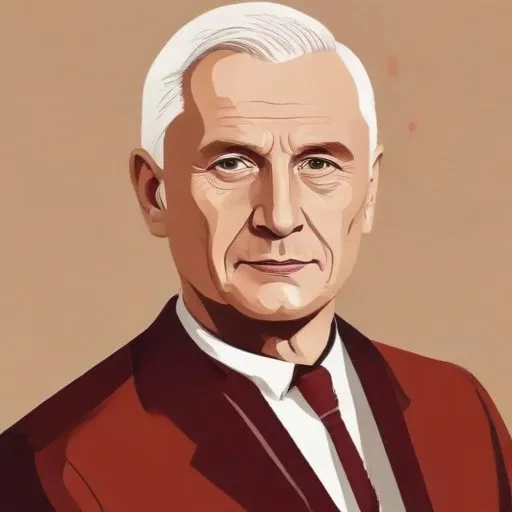
Gustavs Zemgals: The Visionary Leader Behind Latvia's Democratic Rise
A Champion of Democracy and Freedom
Gustavs Zemgals, the second President of Latvia, was a beacon of hope and democracy in a nation torn apart by war and occupation. As a prominent political figure, lawyer, and newspaper editor, Zemgals played a pivotal role in shaping Latvia's struggle for independence and self-governance.
Early Life and Education
Born on August 12, 1871, in Dkste, Latvia, Zemgals' early life was marked by a strong desire for knowledge and education. He attended elementary school in Saka and later continued his studies at Riga Nikolai Gymnasium. In 1899, he graduated from Moscow University with a degree in law, laying the foundation for his future endeavors.
A Career of Activism and Public Service
Zemgals' return to Latvia in 1905 marked the beginning of his journey as a political activist and public servant. He co-founded the liberal newspaper
Jaun Dienas Lapa (New Days Page) and later became an editor of its successor,
Msu Laiki (Our Times). His work on these publications earned him a three-month prison sentence in 1907, but this only fueled his determination to fight for Latvia's freedom.
Pioneering the Democratic Movement
In 1912-1914, Zemgals worked on the magazine
Domas (Thoughts), further solidifying his position as a leading voice in Latvia's democratic movement. During World War I, he was mobilized and later elected as the chairman of Riga in 1917. As a member of the Latvian radical-democratic party, he became the second deputy of the chairman of Tautas Padome (Peoples Council), a representative body of Latvian political parties.
Presidency and Legacy
Zemgals' election as the second President of Latvia in 1922 marked a new era of democratic governance in the country. His presidency was marked by a commitment to rebuilding and strengthening Latvia's economy, education, and infrastructure. Through his leadership, Latvia emerged as a beacon of hope and democracy in the region.
Personal Milestones and Key Life Events
- Graduated from Moscow University in 1899 with a degree in law
- Co-founded the liberal newspaper Jaun Dienas Lapa in 1905
- Sentenced to a three-month prison sentence in 1907 for his work on Msu Laiki
- Elected as the chairman of Riga in 1917
- Became the second President of Latvia in 1922
Influence on Modern Society
Zemgals' legacy extends far beyond his presidency. He played a crucial role in shaping Latvia's struggle for independence and self-governance, inspiring generations of Latvians to fight for their rights and freedoms. Today, he remains an iconic figure in Latvian history, a testament to the power of courage, determination, and vision.
Awards and Honors
- Recognized as one of the founders of the Latvian democratic party
- Honored as a champion of democracy and freedom in Latvia
Conclusion
Gustavs Zemgals' remarkable life and career serve as a testament to the power of vision, determination, and leadership. As a champion of democracy and freedom, he inspired a nation to rise against oppression and fight for its rightful place in the world. His legacy continues to inspire generations of Latvians and beyond, a shining beacon of hope and democracy in a world torn apart by conflict and division.
FAQ
What was Gustavs Zemgals role in Latvian politics?
Gustavs Zemgals served as the 2nd President of Latvia from 1927 to 1930, playing a crucial role in shaping the countrys early years of independence.
What were Gustavs Zemgals key accomplishments as President of Latvia?
During his tenure, Zemgals worked to strengthen Latvias economy, establish a stable government, and promote international relations. He also oversaw the development of key infrastructure projects, such as the construction of the Daugava River hydroelectric power plant.
How did Gustavs Zemgals contribute to Latvias international relations?
Zemgals was a skilled diplomat who worked tirelessly to promote Latvias interests on the world stage. He established diplomatic relations with several countries, including the United States, and played a key role in Latvias membership in the League of Nations.
What was Gustavs Zemgals stance on Latvian national identity?
Zemgals was a strong advocate for Latvian nationalism and cultural preservation. He supported the development of Latvian language and literature, and encouraged the promotion of national heritage.
How is Gustavs Zemgals remembered in Latvian history?
Zemgals is remembered as a dedicated statesman and a champion of Latvian independence. His legacy continues to inspire Latvians around the world, and his contributions to the countrys development are still celebrated today.