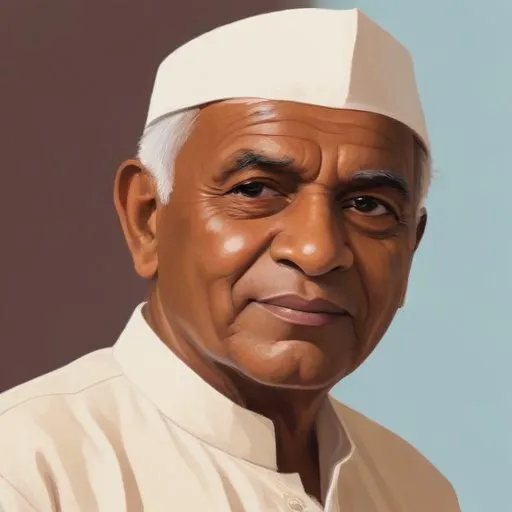
H. D. Deve Gowda: The Unlikely Prime Minister of India
A Chief Minister Turned Prime Minister
H. D. Deve Gowda is best known for his unexpected rise to power as the 11th Prime Minister of India, serving from 1996 to 1997. Prior to this, he was the 14th Chief Minister of Karnataka, a position he held from 1994 to 1996.
Early Life and Education
Born on May 18, 1933, in Haradanahalli, a village in Holenarasipura Taluk, Karnataka, Deve Gowda was the son of a paddy farmer, Dodde Gowda, and a homemaker, Devamma. He earned a diploma in civil engineering from L. V. Polytechnic, Hassan, in the early 1950s.
Political Career
Deve Gowda's political career began in 1953 when he joined the Indian National Congress party. He remained a member until 1962, during which time he was imprisoned during the Emergency. In 1994, he became the President of the state unit of Janata Dal, a position that propelled him to the forefront of Karnataka politics.
Rise to Power
Deve Gowda's leadership played a crucial role in the Janata Dal's victory in Karnataka in 1994. His popularity and charisma earned him the respect of his peers, who saw him as a strong candidate for the Chief Minister's position. When the United Front, a coalition of regional parties, formed the central government with the support of the Congress in 1996, Deve Gowda was unexpectedly chosen to head the government, becoming the Prime Minister of India.
Tenure as Prime Minister
During his tenure as Prime Minister, Deve Gowda also served as Home Minister for a brief period. Although his prime ministerial tenure lasted for less than a year, he made significant contributions to Indian politics.
Post-Prime Ministerial Career
After stepping down as Prime Minister, Deve Gowda continued to be an active politician. He was elected to the 12th, 14th, 15th, and 16th Lok Sabha from the Hassan Lok Sabha constituency. Although he lost the 2019 Lok Sabha elections from Tumkuru, he was later elected to the Rajya Sabha, where he currently serves as a Member of Parliament.
Awards and Honors
Throughout his career, Deve Gowda has received several awards and honors for his contributions to Indian politics and society.
- He was awarded the honorary doctorate degree by the Karnataka University in 2004.
- In 2017, he was conferred the prestigious "N. D. Diwan Lifetime Achievement Award" for his outstanding contribution to Indian politics.
Personal Life
Deve Gowda is known for his simple and humble lifestyle. Despite holding high offices, he has remained connected to his roots, often visiting his village and engaging with the people.
Legacy
H. D. Deve Gowda's legacy is one of unexpected rise to power and a commitment to serving the people. His journey from a small village in Karnataka to the Prime Minister's office is a testament to his determination and leadership abilities. As a Member of Parliament in the Rajya Sabha, he continues to play an active role in shaping India's political landscape.
FAQ
What is H. D. Deve Gowdas role in Indian politics?
H. D. Deve Gowda is an Indian politician who served as the 11th Prime Minister of India from 1996 to 1997. He is also a leader of the Janata Dal (Secular) party.
What are H. D. Deve Gowdas achievements as Prime Minister?
During his tenure as Prime Minister, H. D. Deve Gowda implemented several significant policies, including the implementation of the Panchayati Raj system and the establishment of the National Commission for Minorities.
What is H. D. Deve Gowdas background in farming?
H. D. Deve Gowda was born into a farming family and has been involved in agriculture throughout his life. He has spoken out on issues affecting Indian farmers and has advocated for their interests.
What is H. D. Deve Gowdas views on coalition politics?
H. D. Deve Gowda has been a strong advocate for coalition politics and has played a key role in bringing together different parties to form governments at the national and state levels.
What is H. D. Deve Gowdas legacy in Indian politics?
H. D. Deve Gowda has made significant contributions to Indian politics, and his leadership has had a lasting impact on the countrys governance and development.