


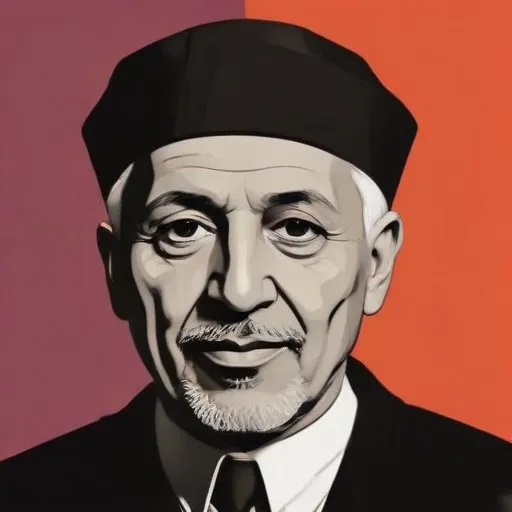
A Palestinian physician and politician who played a key role in the Oslo Accords and advocated for Palestinian rights and self-determination. He was a leading figure in the Palestinian national movement.
Haidar AbdelShafi, a Palestinian physician, community leader, and political leader, is best known for heading the Palestinian delegation to the Madrid Conference of 1991. This pivotal event marked a significant milestone in the Palestinian struggle for self-determination, and AbdelShafi's leadership played a crucial role in shaping the course of the negotiations.
Born on June 10, 1919, in Gaza, AbdelShafi was one of six children of Sheikh Muheiddin AbdelShafi, a respected figure in the Higher Islamic Council and custodian of the holy places in Gaza and Hebron. He completed his primary education in Gaza and later attended the Arab College in Jerusalem as a boarder, graduating in 1936. AbdelShafi pursued higher education at the American University of Beirut College of Medicine, graduating in 1943.
AbdelShafi's early years were marked by his involvement in the Arab Nationalist Movement, which aimed to promote Arab nationalism and liberate Palestine. During the British Mandate period, he worked at the Municipal Hospital in Jaffa and later joined the Desert Army of the British Jordanian Army. After World War II, he returned to Gaza and established a private medical practice.
In 1945, AbdelShafi co-founded a branch of the Palestine Medical Society and participated in the first Palestine Medical Congress in 1946. During the Arab-Israeli clashes following the UN partition plan, he provided medical support to Palestinian fighters. In 1948, he established a clinic in Gaza to serve the influx of refugees, working closely with the Quakers to provide humanitarian relief.
AbdelShafi's commitment to the Palestinian cause earned him international recognition. In 1991, he led the Palestinian delegation to the Madrid Conference, marking a significant step towards peace negotiations with Israel. Throughout his life, AbdelShafi remained a vocal advocate for Palestinian rights and self-determination.
Haidar AbdelShafi's tireless efforts have left an indelible mark on the Palestinian struggle for independence. His leadership and vision have inspired generations of Palestinians, and his legacy continues to shape the course of Middle Eastern politics. AbdelShafi's story serves as a testament to the power of dedication, perseverance, and courage in the face of adversity.
"Our struggle is not about fighting others, but about liberating ourselves from occupation and oppression."
Haidar AbdelShafi's life is a testament to the power of courage, conviction, and leadership. His story serves as a beacon of hope for generations to come, inspiring them to strive for a better future. As we reflect on his life and legacy, we are reminded of the importance of standing up for what is right, even in the face of adversity.
71 Years Old
Leading Palestinian diplomat and strategist, instrumental in shaping the Israeli-Palestinian peace process through multiple negotiations and agreements.
80 Years Old
A prominent Palestinian leader and advocate for human rights, known for her tireless efforts to promote peace and justice in the Middle East through her work with the Palestinian Liberation Organization and as a member of the Palestinian Legislative Council.
79 Years Old
Co-founder of the Palestinian movement Hamas, known for leading the group's militant wing and being a key figure in the Israeli-Palestinian conflict. He was a strong advocate for Palestinian rights and self-determination.
65 Years Old
A former Fatah leader and Palestinian Authority security chief, known for his role in Gaza and alleged corruption scandals.
