


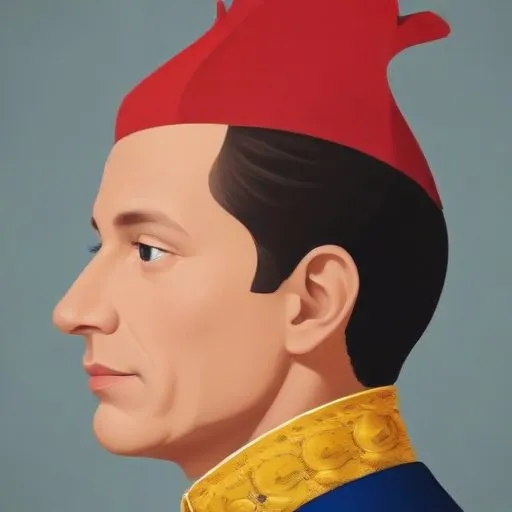
The reigning monarch of the Principality of Liechtenstein, known for his progressive policies and efforts to modernize the country while maintaining its independence and neutrality. He is also a successful businessman and banker.
Hans-Adam II, Prince of Liechtenstein, is renowned for his forward-thinking approach to governance, bringing about significant constitutional reforms and expanding the powers of the monarchy. Under his reign, Liechtenstein has experienced unprecedented economic growth and cultural revitalization.
Born on February 14, 1945, in Zurich, Switzerland, Hans-Adam II is the eldest son of Prince Franz Joseph II and Princess Gina of Liechtenstein. His father's succession to the throne in 1938 made Hans-Adam the hereditary prince from birth. He received his primary education at the Schottengymnasium in Vienna and later attended the Lyceum Alpinium Zuoz in Switzerland, earning a Swiss Matura and a German Abitur in 1965.
In 1984, Prince Franz Joseph II began a dynastic transition, handing over day-to-day governmental duties to Hans-Adam. This move marked the beginning of a new era in Liechtenstein's history, as Hans-Adam formally succeeded as Prince upon his father's death on November 13, 1989.
In 2003, a constitutional referendum expanded the powers of the Prince, granting him greater authority in matters of state. Hans-Adam had threatened to abdicate and leave the country if the referendum did not result in his favor, demonstrating his commitment to the people of Liechtenstein.
In 2004, Hans-Adam transferred day-to-day governmental duties to his eldest son, Hereditary Prince Alois, as regent. This move signified the prince's dedication to modernizing the monarchy and ensuring a smooth transition of power.
Hans-Adam is a strong advocate for individual freedom, entrepreneurship, and limited government intervention. He has spoken extensively on the importance of preserving cultural heritage and promoting economic growth through innovation.
Under Hans-Adam's visionary leadership, Liechtenstein has experienced unprecedented economic growth, cultural revitalization, and constitutional reforms. His commitment to individual freedom, entrepreneurship, and limited government intervention has made him a respected figure in international politics.
"The state should not try to solve every problem, but rather provide a framework in which people can solve their own problems."
As the Prince of Liechtenstein continues to shape the future of his nation, his forward-thinking approach and dedication to the people of Liechtenstein cement his legacy as a royal visionary.
86 Years Old
The reigning monarch of Denmark since 1972, known for her modernization of the monarchy and artistic talents, including designing sets and costumes for the Royal Danish Ballet.
89 Years Old
The current monarch of Norway, known for his efforts to modernize the monarchy and promote national unity, as well as his support for humanitarian and environmental causes.
88 Years Old
The former Queen of the Netherlands, known for her dedication to humanitarian causes and her role in modernizing the Dutch monarchy. She reigned for 33 years, earning respect for her wisdom and diplomacy.
88 Years Old
The former King of Spain who reigned from 1975 to 2014, known for transitioning the country from dictatorship to democracy and playing a key role in preventing a military coup in 1981.
