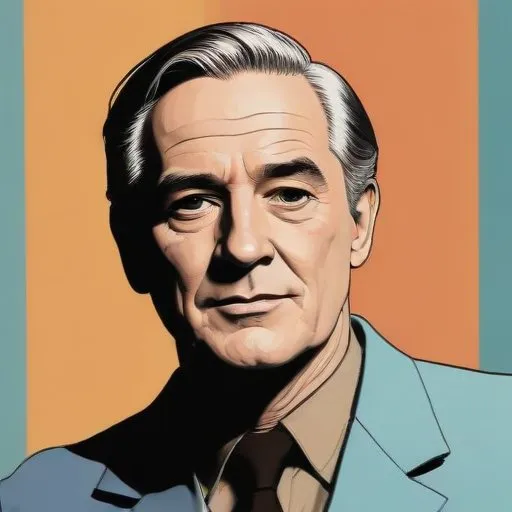
Harold J. Stone: The Versatile Character Actor
A Career Spanning Stage, Radio, Film, and Television
Harold J. Stone, born Harold Hochstein, was a renowned American character actor who showcased his talents across various platforms, from stage to radio, film, and television. With a career spanning over five decades, Stone established himself as a master of his craft, taking on a wide range of roles that left an indelible mark on the entertainment industry.
Early Life and Stage Career
Born on March 3, 1913, Stone was raised in a Jewish acting family and made his stage debut at the tender age of six alongside his father, Jacob Hochstein, in the play "White Slaves." After graduating from New York University, he briefly pursued medicine at the University of Buffalo but was forced to drop out to support his mother, ultimately falling back on acting.
Broadway Success
Stone's initial foray into acting led him to Broadway, where he appeared in several critically acclaimed productions between 1939 and the early 1950s. Some of his notable Broadway credits include:
- "One Touch of Venus" (1943)
- "Stalag 17" (1951)
- "Morning Star" (1939)
- "A Bell for Adano" (1944)
- "S.S. Glencairn" (1947)
- "Abraham Cochrane" (1963)
- "Charleys Aunt" (1970)
- "Ring Around the Bathtub" (1971)
Transition to Film and Television
Stone made his film debut in the
Alan Ladd film noir classic "The Blue Dahlia" (1946), followed by a string of memorable roles in films like:
- "The Harder They Fall" (1956) alongside Humphrey Bogart
- Alfred Hitchcock's "The Wrong Man" (1956)
- "Somebody Up There Likes Me" (1956)
- "The Garment Jungle" (1957)
- "The Invisible Boy" (1957)
- "Spartacus" (1960)
- "The Chapman Report" (1962)
- "X: The Man with the X-ray Eyes" (1963)
- "The Greatest Story Ever Told" (1965)
- "Girl Happy" (1965)
- "The St. Valentine's Day Massacre" (1967)
- "The Olsen Gang in a Fix" (1969)
- "The Seven Minutes" (1971)
- "Mitchell" (1975)
- "Hardly Working" (1980)
Stone's television career began in 1949, with notable roles in:
- "The Hartmans" (1949)
- "The Goldbergs" as Jake Goldberg
- "The Walter Winchell File" as Lieutenant Hauser
Legacy and Impact
Harold J. Stone's incredible range and adaptability earned him a permanent place in the hearts of audiences and critics alike. With over 150 film and television credits to his name, Stone's contribution to the entertainment industry is undeniable. His impressive body of work continues to inspire new generations of actors and filmmakers, solidifying his legacy as a true legend of the screen.
Personal Life and Milestones
Stone passed away on November 18, 2005, leaving behind a rich legacy and a lifetime of unforgettable performances. Throughout his life, he remained devoted to his craft, earning the respect and admiration of his peers and fans worldwide.
Harold J. Stone may have left the stage, but his remarkable career continues to shine bright, a testament to his unwavering dedication to the art of acting.
FAQ
What was Harold J. Stones early life like?
Harold J. Stone was born in New York City and grew up in a family of modest means. He developed an early interest in acting, and began performing on stage and screen as a young man.
What were Harold J. Stones most famous movie roles?
Harold J. Stone was a talented character actor who appeared in numerous films and television shows. He is perhaps best known for his roles in The Harder They Fall and Spartacus.
What was Harold J. Stones experience during World War II?
Harold J. Stone served in the United States Army during World War II, where he was stationed in Europe and North Africa. His experiences during the war had a profound impact on his life and career.
How did Harold J. Stones career impact American film?
Harold J. Stones career spanned multiple decades and genres, and he worked with many of the most influential filmmakers of his time. He was a beloved character actor who added depth and nuance to countless films.
What was Harold J. Stones legacy after his death?
Harold J. Stones legacy is one of dedication to his craft and a passion for storytelling. He remains a beloved figure in American film, and his performances continue to be celebrated and admired.