


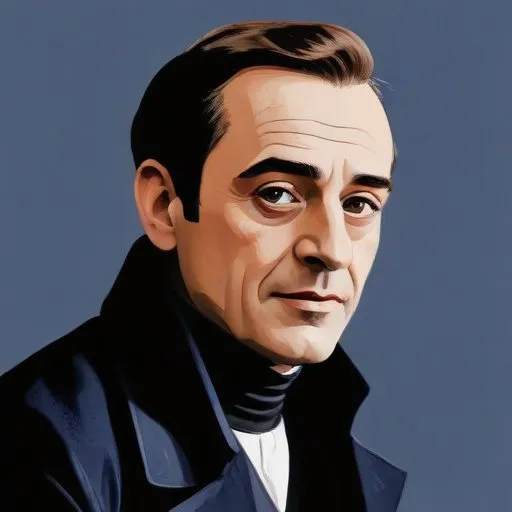
Wrote influential and heartwarming novels about orphaned children, most notably "Sans Famille", which became a classic of French literature.
Hector Malot, born on May 20, 1830, in La Bouille, Seine-Maritime, France, is renowned for his iconic novel Sans Famille (Nobodys Boy), a tale of a young orphan's journey that has captivated readers worldwide since its publication in 1878.
This prolific French writer, a master of storytelling, penned over 70 books throughout his lifetime, cementing his place in the pantheon of literary greats.
Malot's childhood in La Bouille, where the Seine River flows, instilled in him a sense of wonder and curiosity. His family's move to Bosc-Bénard-Commin in 1835 exposed him to a new environment, which would later influence his writing.
His father, Jean-Baptiste Malot, a justice of the peace, and his mother, Marie-Anne-Victoire Le Bourgeois, nurtured Hector's love for literature, setting the stage for his future success.
Malot's works often explored themes of hope, resilience, and the human condition, reflecting his deep understanding of the complexities of life.
Through his writing, he advocated for social change, challenging the status quo and encouraging empathy and compassion for the marginalized.
Sans Famille has been adapted into numerous films, plays, and television shows, solidifying its place in popular culture.
Malot's work has inspired generations of writers, filmmakers, and artists, ensuring his legacy as a master storyteller continues to thrive.
On September 30, 1826, Malot's parents married, and he was born four years later, on May 20, 1830.
In 1859, he published his first book, marking the beginning of a remarkable literary journey.
Hector Malot's contributions to French literature are undeniable, with Sans Famille remaining a testament to his skill as a storyteller.
His writings offer a window into the social and cultural landscape of 19th-century France, providing valuable insights for scholars and readers alike.
Hector Malot's remarkable life and works continue to captivate audiences, ensuring his place as one of France's most beloved literary figures.
Born in 1821
A pioneering realist novelist who crafted meticulous, psychologically nuanced portrayals of 19th-century French life, particularly in his iconic novel "Madame Bovary".
Born in 1840
A pioneering figure in naturalist literature, known for his influential novels that exposed social ills and championed reform, such as "Germinal" and "Nana".
Born in 1828
A visionary writer who pioneered the science fiction genre, crafting timeless tales of adventure and exploration that continue to inspire generations.
Born in 1802
Wrote iconic adventure novels like "The Count of Monte Cristo" and "The Three Musketeers", creating unforgettable characters and stories that have stood the test of time.
Born in 1850
A 19th-century French literary mastermind who crafted hauntingly beautiful short stories and novels that probed the human psyche, often with a dark, ironic twist. His works remain widely read and adapted today.
Born in 1783
A 19th-century literary mastermind, he penned psychologically complex novels that probed the human experience, influencing the development of realism and modernist fiction.
