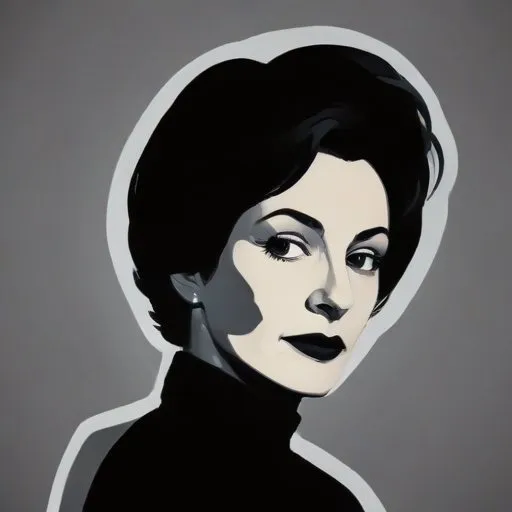
Helen Morgan: The Torch Singer Who Set the Stage Ablaze
A Quintessential Torch Singer of the 1920s
Helen Morgan, born Helen Riggins, was an American singer and actress who rose to fame in the 1920s with her sultry, emotive voice and captivating stage presence. She is perhaps best known for her iconic portrayal of Julie LaVerne in the original Broadway production of Show Boat, a musical that would become synonymous with her name.
Early Life and Humble Beginnings
Born on August 2, 1900, in Danville, Illinois, Morgan's early life was marked by instability and hardship. Her parents, Frank Riggin and Lulu Lang Riggin, divorced when she was young, and her mother later remarried, changing Helen's last name to Morgan. With little formal education, Morgan worked various odd jobs before discovering her passion for singing.
From Speakeasies to Stardom
At the age of 20, Morgan began taking voice lessons and soon found herself performing in Chicago's underground speakeasies. Her unique, torch singer style, characterized by her draped-over-the-piano pose, quickly gained popularity, and she became a sensation in the city's club scene. This early success caught the attention of Florenz Ziegfeld, who would later cast her in his lavish productions.
Show Boat and Sweet Adeline: Defining Roles
Morgan's breakout role came in 1927 with her iconic portrayal of Julie LaVerne in the original Broadway production of Show Boat. Her haunting vocals and poignant performances earned her widespread critical acclaim. She reprised this role in the 1932 revival and appeared in two film adaptations, cementing her status as the quintessential Julie LaVerne. Morgan also starred in the title role of Sweet Adeline, another Hammerstein and Kerns musical, in 1929.
A Turbulent Life and Career
Despite her success, Morgan struggled with alcoholism and personal demons, which often affected her performances. Her stage career was relatively short-lived, and she died of cirrhosis of the liver at the age of 41. Her life was later immortalized in the 1957 biopic The Helen Morgan Story, starring
Ann Blyth, and a 1957 Playhouse 90 drama, portrayed by Polly Bergen.
Legacy and Impact
Helen Morgan's legacy extends far beyond her remarkable performances. She remains an icon of the torch singer genre, influencing generations of singers and actresses. Her tumultuous life and career serve as a testament to the challenges faced by women in the early 20th-century entertainment industry. Today, Morgan's music and spirit continue to inspire artists and audiences alike.
- Helen Morgan's signature song, "Bill," remains a timeless classic of the torch singer era.
- She was known for her iconic, draped-over-the-piano pose, which became a hallmark of her performances.
- Morgan's life was marked by personal struggles, including her battle with alcoholism.
Though her life was cut short, Helen Morgan's indelible mark on the world of music and theater ensures her place as a beloved and enduring figure of the American entertainment industry.
FAQ
What is Helen Morgans background in entertainment?
Helen Morgan was an American actress and singer who appeared in films, stage productions, and nightclubs during the 1920s and 1930s. She was known for her sultry voice and seductive stage presence.
What are some of Helen Morgans notable film roles?
Helen Morgan appeared in several notable films, including Applause, Roadhouse Nights, and Go West. She often played roles that showcased her singing and dancing abilities.
How did Helen Morgan get her start in show business?
Helen Morgan began her career as a singer in nightclubs and speakeasies during the Prohibition era. She eventually transitioned to stage and film work, becoming a popular performer in the 1920s and 1930s.
What was Helen Morgans singing style like?
Helen Morgan was known for her sultry, torch song-style singing, which was popular during the 1920s and 1930s. Her voice was often described as smooth and seductive, adding to her allure on stage and screen.
How did Helen Morgan contribute to the entertainment industry?
Helen Morgan was an important figure in the entertainment industry, helping to popularize the torch song style of singing and paving the way for future generations of female performers.