


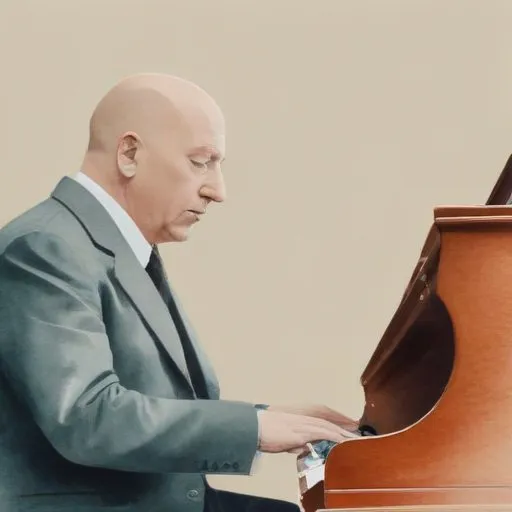
A pioneering composer and pianist who experimented with avant-garde techniques, creating innovative works that blended traditional and modern styles. Known for his radical approach to music, pushing boundaries and inspiring future generations.
Henry Cowell was a true original, a pioneering composer, writer, pianist, publisher, and teacher who left an indelible mark on American music. With his unconventional approach to composition, he earned a reputation as a controversial performer and eccentric composer, inspiring a generation of avant-garde musicians, including Lou Harrison, George Antheil, and John Cage.
Cowell was born on March 11, 1897, in rural Menlo Park, California, to a bohemian family of writers and artists. His father, Henry Blackwood Harry Cowell, was a romantic poet from County Clare, Ireland, and his mother, Clara Clarissa Cowell, was a political activist and author from the American Plains. This eclectic upbringing instilled in Cowell a sense of experimentation and innovation that would define his musical career.
Cowell developed a distinctive musical language that blended folk melodies, dissonant counterpoint, unconventional orchestration, and themes of Irish paganism. He was largely self-taught, and his music often defied traditional notions of harmony and form. As a result, he became a leading figure of American avant-garde music in the first half of the 20th century.
Cowell was an early proponent and innovator of modernist compositional techniques, including the string piano, prepared piano, tone clusters, and graphic notation. His pioneering work in these areas expanded the possibilities of instrumental music and paved the way for future generations of composers.
Cowell's music and ideas have had a profound impact on modern society, influencing not only composers but also artists, writers, and thinkers across disciplines. Hisemphasis on experimentation and innovation has inspired generations of creatives to push boundaries and challenge conventional norms.
Cowell received numerous accolades for his contributions to music, including the prestigious Guggenheim Fellowship and the American Academy of Arts and Letters Award.
Cowell's personal life was marked by a deep connection with his wife, Sidney Robertson Cowell, a composer and musicologist in her own right. Together, they formed a formidable musical partnership that spanned decades and inspired a new generation of composers.
Henry Cowell's innovative spirit, eclectic style, and commitment to experimentation have cemented his place as one of America's most important and influential composers. His music continues to inspire and provoke, ensuring that his legacy will endure for generations to come.
84 Years Old
A visionary musician and producer who co-founded The Velvet Underground, pushing boundaries in rock music and influencing generations of artists. Known for experimental and avant-garde work .
Born in 1874
A pioneer of atonality and 12-tone serialism, revolutionizing classical music with innovative compositions that pushed boundaries of harmony and melody.
Born in 1882
A Russian master of music, renowned for revolutionizing classical music with bold, avant-garde compositions that blended traditional and modern elements. His iconic works, such as "The Rite of Spring," continue to inspire and influence artists across genres.
Born in 1866
A pioneering composer of minimalist and avant-garde music, known for his unconventional and humorous approach to classical music, creating a new kind of simplicity and clarity. His music often featured repetitive patterns and witty titles.
Born in 1874
A pioneer of American modernism, this composer blended traditional and experimental elements, creating a unique sound that defied conventions. He's most famous for his symphonies and piano sonatas.
Born in 1893
A Russian-born virtuoso pianist and composer, known for his avant-garde and futuristic works that pushed the boundaries of classical music. His compositions were often characterized by their intense energy and complex rhythms.
Born in 1883
A pioneering composer who blended classical and modernist styles, creating innovative, avant-garde works that explored new sounds and techniques.
Born in 1900
A pioneering avant-garde composer, he created innovative works that blended jazz, classical, and mechanical elements, and wrote a famous ballet score. He was also a prolific writer, publishing several books on music and art.
