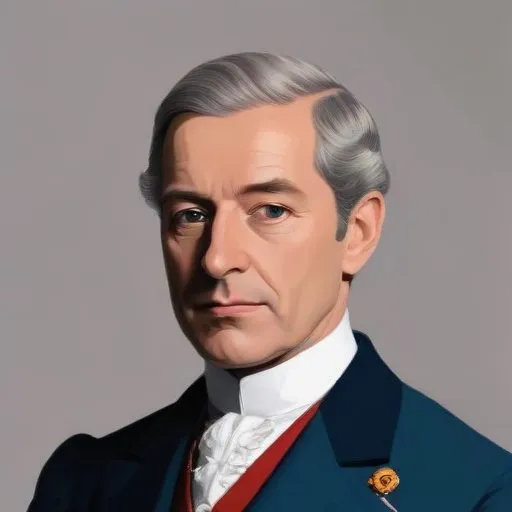
Henry Grey, 10th Earl of Kent: The Unassuming Statesman
A Life of Service and Duty
Henry Grey, 10th Earl of Kent, is remembered as a devoted statesman and politician who served England during a tumultuous period in its history. Born on November 24, 1594, Grey's life was marked by his commitment to public service, earning him a reputation as a fair and just leader.
Early Life and Family
Grey was the eldest son of Rev. Anthony Grey, the 9th Earl of Kent, and his wife Magdalene Purefoy. His father, a rector in Aston Flamville, Leicestershire, instilled in him the values of duty and responsibility. Grey's family heritage played a significant role in shaping his future, as he inherited the title of Lord Ruthin in 1639 and later became the 10th Earl of Kent in 1643.
Rise to Prominence
Grey's political career began in 1640, when he was elected Member of Parliament for Leicestershire in the Short Parliament. Although he didn't sit in the Long Parliament, he continued to serve his country in various capacities. In 1642, he was appointed as a commissioner of the militia in Leicestershire, and later became a commissioner of martial law and Lord Lieutenant of Rutland.
A Leader in the House of Lords
Grey's abilities as a leader earned him the position of speaker of the House of Lords in 1645, a role he held on two separate occasions. He was also a member of the committee of the navy and customs, and one of the lords commissioners who presented the four bills to King Charles I at the Isle of Wight.
A Complex Legacy
Grey's life was not without controversy. He was involved in the trial of King Charles I, although he did not participate in the king's execution. He was later renominated as chief commissioner of the great seal, but his role in the tumultuous years of the English Civil War remains a subject of debate.
Personal Milestones and Key Life Events
- 1640: Elected Member of Parliament for Leicestershire in the Short Parliament
- 1642: Appointed as commissioner of the militia in Leicestershire
- 1643: Inherited the title of Earl of Kent
- 1644: Became a commissioner of martial law and Lord Lieutenant of Rutland
- 1645: Became speaker of the House of Lords
- 1647: Re-elected as speaker of the House of Lords
- 1648: Nominated as chief commissioner of the great seal
Historical Context and Legacy
Henry Grey, 10th Earl of Kent, played a significant role in shaping England's history during the tumultuous 17th century. His commitment to public service and duty earned him a reputation as a fair and just leader. While his legacy is complex, Grey's contributions to English politics remain an important part of the nation's history.
Trivia and Fun Facts
- Grey's father, Rev. Anthony Grey, was a rector in Leicestershire.
- Grey was known for his fairness and impartiality, earning him respect from his peers.
- He was a member of the committee of the navy and customs, overseeing England's naval and trade affairs.
FAQ
What was Henry Grey, 10th Earl of Kents role in English politics?
Henry Grey, 10th Earl of Kent was an English politician who served as Lord Lieutenant of Bedfordshire and played a key role in the English Civil War.
What were Henry Grey, 10th Earl of Kents military achievements?
Henry Grey, 10th Earl of Kent fought on the side of the Parliamentarians during the English Civil War, participating in several key battles.
What was Henry Grey, 10th Earl of Kents relationship with the royal family?
Henry Grey, 10th Earl of Kent was a distant relative of the royal family and served as a courtier during the reign of King Charles I.
What was Henry Grey, 10th Earl of Kents stance on the English Civil War?
Henry Grey, 10th Earl of Kent initially supported the king but later defected to the Parliamentarian cause, citing concerns over the kings abuse of power.
What is Henry Grey, 10th Earl of Kents legacy in English history?
Henry Grey, 10th Earl of Kent is remembered as a complex figure who navigated the treacherous waters of the English Civil War.