


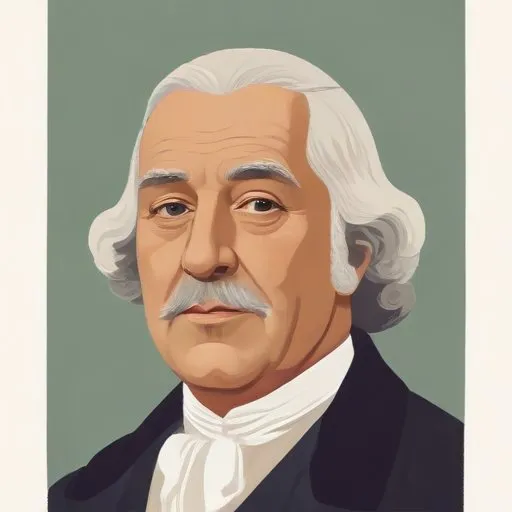
Australian-English author celebrated for her semi-autobiographical novels, particularly "The Getting of Wisdom", which explores themes of identity, morality, and coming-of-age in Australia during the late 19th century.
Henry Handel Richardson, the renowned Australian author, is best known for her trilogy of novels, The Fortunes of Richard Mahony, which is regarded as one of the greatest works of Australian literature. Her writing is characterized by its vivid descriptions, strong characters, and nuanced exploration of the human experience.
Born as Ethel Florence Lindesay Richardson on January 3, 1870, in East Melbourne, Victoria, Australia, Richardson grew up in a prosperous family that later fell on hard times. Her childhood was marked by frequent moves to various towns across Victoria, where her mother, Mary, worked as a postmistress.
Richardson's early education took place in these towns, and she later became a boarder at the Presbyterian Ladies College (PLC) in Melbourne, where she honed her skills in music and the arts. This experience would later serve as the basis for her coming-of-age novel, The Getting of Wisdom, which was admired by none other than H. G. Wells.
Richardson's writing career spanned multiple continents, with her first novel, Maurice Guest, set in Leipzig, Germany, where she had traveled to continue her musical studies at the Leipzig Conservatorium. Her subsequent novels, including The Getting of Wisdom and The Fortunes of Richard Mahony, cemented her reputation as a masterful storyteller.
Her writing is notable for its ability to blend fact and fiction, a skill she developed during her time at PLC. Richardson's novels are characterized by their vivid descriptions of people and places, as well as their nuanced exploration of the human experience.
In 1894, Richardson married John George Robertson, a Scottish scholar whom she had met in Leipzig. The couple moved to London in 1903, where Robertson had been appointed to the first chair of German at University College, London. Richardson spent the remainder of her life in England, although she did return to Australia in 1912 to research her family's history for The Fortunes of Richard Mahony.
Henry Handel Richardson's contributions to Australian literature are immeasurable. Her novels have been widely acclaimed for their literary merit, and her trilogy, The Fortunes of Richard Mahony, is regarded as one of the greatest works of Australian literature. Her writing continues to inspire generations of readers and writers alike.
In 1946, Richardson passed away, leaving behind a legacy of literary excellence that continues to be celebrated to this day. Her writing is a testament to her boundless talent, dedication, and passion for storytelling.
Richardson's writing is a lasting testament to her talent and dedication to her craft. Her legacy continues to inspire readers and writers alike, cementing her place as one of Australia's most celebrated authors.
Born in 1912
A celebrated Australian writer, known for his vivid and poignant portrayals of the human condition, earning him the Nobel Prize in Literature in 1973.
Born in 1867
A renowned writer of Australian literature, capturing the country's harsh outback life and folk culture through his vivid stories and poems. His works are considered classics of Australian literature.
Born in 1864
A renowned journalist, author, and poet who wrote iconic Australian literature, including the famous poem "Waltzing Matilda".
Born in 1885
Australian author and poet celebrated for writing iconic verse that captures the country's landscape and spirit, particularly in her famous poem "My Country".
Born in 1876
A celebrated wordsmith, he crafted whimsical verses and stories that captured the Australian spirit, particularly in his iconic poem "The Songs of a Sentimental Bloke".
Born in 1885
A prominent literary figure in Australia, known for her poetry and critiques that explored themes of love, nature, and social justice. Her works were highly regarded for their lyricism and insight into the human experience.
