


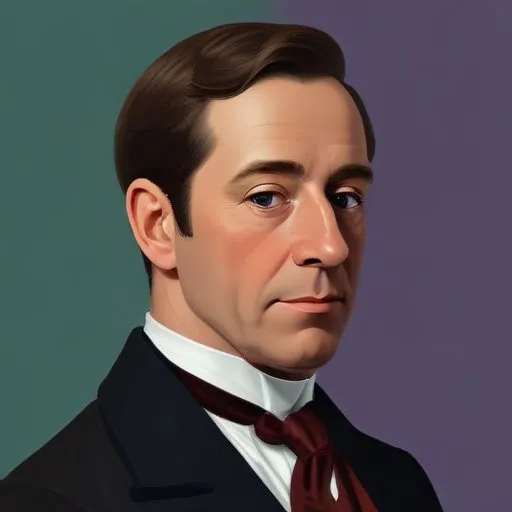
A renowned art collector and philanthropist, he generously donated his impressive collection to the Philadelphia Museum of Art, enriching the city's cultural landscape.
Henry Plumer McIlhenny was a distinguished American connoisseur of art and antiques, world traveler, socialite, philanthropist, curator, and chairman of the Philadelphia Museum of Art. He is best known for his exquisite collections of French masterpieces, 18th and 19th-century silver, furniture, and other decorative arts.
Born on October 7, 1910, McIlhenny attended Harvard University, where he graduated magna cum laude with a degree in fine arts in 1933. During his time at Harvard, he was influenced by his parents, Frances Galbraith Plumer and John Dexter McIlhenny, who were active in the Philadelphia Museum of Art. After graduation, McIlhenny studied art history with Paul Sachs at the Fogg Art Museum, which further shaped his future collecting endeavors.
During World War II, McIlhenny served in the United States Naval Reserve, spending one and a half years on the USS Bunker Hill in the Pacific theater. His dedication to his country was recognized when he was photographed in his uniform by renowned photographer George Platt Lynes.
McIlhenny's career in the art world was marked by his tenure as curator of the Philadelphia Museum of Art from 1939 to 1964, and later as chairman of the board in 1976. His collections, which included European decorative arts, textiles, and furniture, were showcased in both his Rittenhouse Square townhouse and at Glenveagh Castle, his country house in Ireland.
A lifelong bachelor, McIlhenny was presumed to be gay, and his private life was often subject to speculation. However, his cultural contributions and philanthropic endeavors earned him the respect and admiration of many. Andy Warhol, a renowned artist, once claimed that McIlhenny was the only person in Philadelphia with glamour, a sentiment echoed by the Philadelphia Art Alliance, which dubbed him the first gentleman of Philadelphia.
McIlhenny's love for Ireland was evident in his ownership of the Glenveagh Estate, a 170 square kilometer property in County Donegal, which he purchased in 1938. He used the estate as a part-time residence until 1982 and gifted the Glenveagh Castle and gardens to the Irish State in 1979, ensuring their preservation for future generations.
McIlhenny's contributions to the art world and philanthropy were recognized through various awards and honors, including his appointment as the chairman of the board of the Philadelphia Museum of Art in 1976.
Henry Plumer McIlhenny's life was marked by his passion for art, travel, and philanthropy. His extensive collections and contributions to the Philadelphia Museum of Art continue to inspire and educate art enthusiasts to this day. His legacy serves as a testament to the power of dedication, hard work, and a commitment to giving back to society.
In conclusion, Henry Plumer McIlhenny's life was a testament to the power of passion, dedication, and philanthropy. His legacy continues to inspire and educate, serving as a reminder of the importance of preserving cultural heritage and promoting art education.
Born in 1881
A pioneering artist who transformed modern art with pioneering Cubist works, creating a new visual language that continues to inspire and influence art, design, and culture.
Born in 1904
A renowned surrealist master of bizarre, dream-like paintings and sculptures that blur reality and fantasy, known for iconic works like "The Persistence of Memory" and "The Elephants".
Born in 1869
A pioneering artist who revolutionized modern art with bold, expressive, and colorful works that blurred the lines between painting and sculpture, creating a new language of form and color.
Born in 1893
A renowned Spanish artist, famous for his vibrant, dreamlike paintings and sculptures that blended abstraction and surrealism, creating a unique visual language. His works often featured bold colors, biomorphic forms, and a sense of playfulness.
Born in 1898
A Belgian surrealist painter who challenged perceptions by depicting everyday objects in unexpected contexts, creating thought-provoking and witty visual paradoxes.
Born in 1891
A pioneering figure in Surrealism, creating dreamlike, fantastical works that blurred reality and the subconscious, influencing generations of artists.
Born in 1890
A pioneer of avant-garde photography, this artist experimented with techniques like solarization and rayography, creating surreal, dreamlike images that blurred the line between art and photography.
Born in 1887
A pioneering artist who challenged conventional norms by submitting a urinal as art, sparking a revolution in conceptual art and questioning the very definition of art itself.
