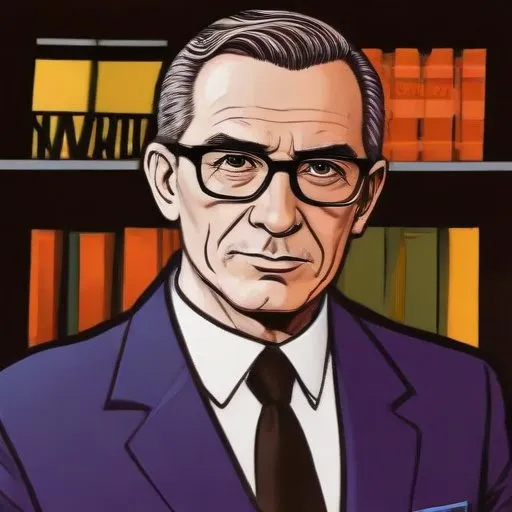
Herbert B. Leonard: The Visionary Behind Iconic TV Classics
The Mastermind of Golden Age Television
Herbert B. Leonard is best known for producing and writing some of the most iconic television shows of the 1950s and 1960s, including
The Adventures of Rin Tin Tin,
Circus Boy,
Naked City, and
Route 66. With a career spanning over three decades, Leonard's contributions to the world of television are still revered today.
Early Life and Education
Born on October 8, 1922, in New York City, Leonard was the younger of two sons to Morton and Rhoda Leonard, a Jewish family. He attended New York University, where he played football and developed a passion for the entertainment industry. After graduating, Leonard was drafted into the military, serving as a pilot and instructor in the United States Navy during World War II.
The Rise to Success
In 1946, Leonard moved to Hollywood, determined to make a name for himself in the film industry. Despite having an uncle who was an executive at Columbia Pictures, Leonard chose to start from the bottom, taking an entry-level job with producer
Sam Katzman. When a production manager suddenly died in 1949, Katzman handed Leonard the reins, and he successfully finished the movie. This opportunity marked the beginning of Leonard's rapid rise to success, as he went on to manage the production of 80 more Katzman movies over the next four years.
Behind the Scenes of Iconic TV Shows
Leonard's shrewd production methods, learned from Katzman, allowed him to create high-quality shows on a budget. He revolutionized the television industry by filming crowd scenes first, then dismissing actors and only keeping the leads and recognizable bit players on the payroll. This approach enabled him to produce shows efficiently, while maintaining quality.
- The Adventures of Rin Tin Tin (1954-1959): Leonard's idea for a TV series starring the canine star Rin Tin Tin became an instant hit with children, running for five seasons.
- Circus Boy (1956-1958): Another successful series produced by Leonard, which followed the adventures of a young boy who runs away to join the circus.
- Naked City (1958-1963): A groundbreaking police drama that explored the gritty realities of crime in New York City, produced by Leonard.
- Route 66 (1960-1964): A classic road trip drama that followed two young men traveling across America, produced by Leonard.
Legacy and Impact
Herbert B. Leonard's contributions to television have left a lasting impact on the industry. His innovative production methods, creative vision, and ability to craft engaging stories have inspired generations of producers and writers. His shows continue to entertain audiences today, and his legacy serves as a reminder of the power of creativity and determination.
Leonard passed away on October 14, 2006, leaving behind a remarkable body of work that will forever be etched in the annals of television history.
FAQ
What is Herbert B. Leonards most notable production?
Herbert B. Leonards most notable production is the television series Route 66, which aired from 1960 to 1964 and became a cultural phenomenon.
What is Herbert B. Leonards background in the entertainment industry?
Herbert B. Leonard has a long and varied background in the entertainment industry, having worked as a production manager, producer, and writer. He began his career in the 1950s and worked on several notable projects before creating Route 66.
How did Herbert B. Leonard come up with the idea for Route 66?
Herbert B. Leonard came up with the idea for Route 66 while driving across the country with his friend and writing partner, Stirling Silliphant. They were inspired by the idea of two young men traveling across America in a Corvette, and the show was born.
What is Herbert B. Leonards legacy in television?
Herbert B. Leonards legacy in television is one of innovation and creativity. He was a true pioneer in the medium, and his work on Route 66 helped to pave the way for later shows like Easy Rider and Thelma and Louise.
How did Herbert B. Leonards work on Route 66 influence popular culture?
Herbert B. Leonards work on Route 66 had a significant influence on popular culture, particularly in the 1960s. The shows themes of freedom, adventure, and rebellion resonated with young people, and it became a cultural touchstone.