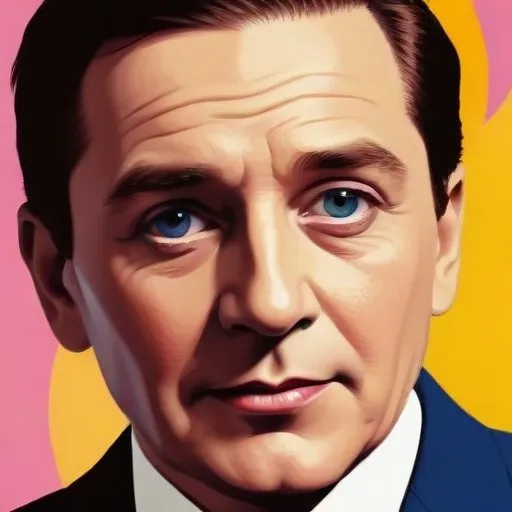
Herbert Marshall: The Dashing Leading Man of Hollywood's Golden Age
A Veteran of the Stage and Screen
Herbert Marshall was a renowned English actor who dominated the stage and screen during the 1930s and 1940s, starring in numerous iconic Hollywood films that have stood the test of time. With his debonair charm, suave demeanor, and rich voice, Marshall became an in-demand leading man, frequently appearing in romantic melodramas and occasional comedies alongside the most prominent leading ladies of the era.
Early Life and Theatrical Career
Born on May 23, 1890, in London, England, Marshall was the only child of stage actors Percy F. Marshall and Ethel May Turner. Exposed to the world of theatre from a young age, Marshall honed his craft on the stages of the United Kingdom and North America before making his way to Hollywood.
Hollywood Stardom and Notable Roles
Marshall's breakthrough in Hollywood came with his role in
Alfred Hitchcock's
Murder (1930), followed by
Ernst Lubitsch's
Trouble in Paradise (1932). He went on to star in a string of successful films, including
The Letter (1940) and
The Little Foxes (1941) alongside
Bette Davis,
Foreign Correspondent (1940) with
Joel McCrea, and
The Moon and Sixpence (1942) with
George Sanders. His versatility as an actor allowed him to transition seamlessly from leading man to character actor in his later years.
Radio and Television Career
In addition to his film career, Marshall had a successful run on radio, starring in his own series
The Man Called X from 1944 to 1952. He made numerous guest appearances on other shows, leveraging his rich voice to captivating effect. Marshall also ventured into television, appearing in various shows throughout the 1950s.
Personal Life and Philanthropy
Marshall's personal life was often tumultuous, with five marriages and frequent appearances in gossip columns. However, he demonstrated remarkable courage and resilience in the face of adversity, including the loss of his leg during World War I. During World War II, Marshall dedicated himself to the rehabilitation of injured troops, particularly amputees, drawing from his own experiences to provide support and inspiration.
Legacy and Honors
Marshall's contributions to the film industry were recognized with a star on the Hollywood Walk of Fame in 1960. His legacy extends beyond his impressive body of work, inspiring generations of actors and filmmakers with his unique blend of charm, talent, and dedication to his craft.
Quotable Quotes
- "I'm not a great actor, but I've always tried to be a good one."
- "The theatre is my first love, and I'll always come back to it."
The Enduring Appeal of Herbert Marshall
Herbert Marshall's remarkable career, spanning over three decades, continues to captivate audiences today. His effortless charm, memorable performances, and lasting impact on the film industry ensure his place as one of Hollywood's most beloved leading men of the Golden Age.
FAQ
What was Herbert Marshalls most famous film role?
Herbert Marshalls most famous film role was as Philip Carey in the 1934 film Of Human Bondage, based on the novel by W. Somerset Maugham.
What was Herbert Marshalls background in the theater?
Herbert Marshall began his acting career on the stage in London, performing in various productions before transitioning to film.
What was Herbert Marshalls experience in World War I?
Herbert Marshall served in World War I, where he was injured in a gas attack, which left him with a permanent limp.
How did Herbert Marshalls disability affect his acting career?
Herbert Marshalls disability did not hold him back from achieving success in his acting career. He adapted to his condition and continued to perform in film and theater.
What was Herbert Marshalls legacy in the film industry?
Herbert Marshalls legacy is that of a talented and dedicated actor who made significant contributions to the film industry, despite the challenges he faced.