


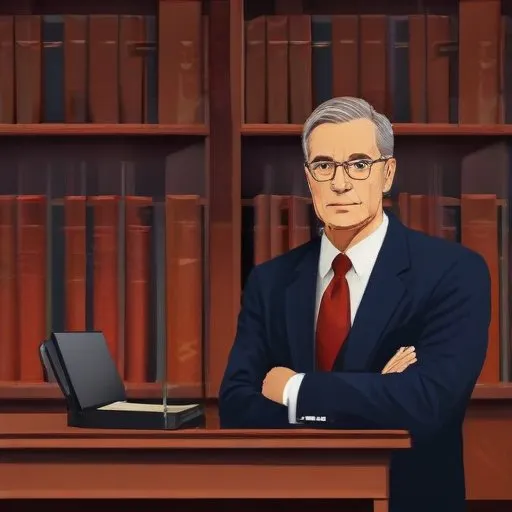
The 8th Librarian of Congress was a pioneering figure in American library development, credited with modernizing the Library of Congress and expanding its collections. He also played a key role in establishing the Copyright Office.
Herbert Putnam, the eighth and longest-serving Librarian of Congress, revolutionized the institution by transforming it into a universal collection with strengths in many languages, especially from Europe and Latin America. During his tenure from 1899 to 1939, Putnam implemented his vision, leaving an indelible mark on the world of librarianship.
Born on September 20, 1861, in New York City, Herbert Putnam was the sixth son and tenth child of Victorine and George Palmer Putnam, the founder of the renowned publishing house, G. P. Putnam's Sons. Putnam's early life was marked by a strong academic inclination, which led him to graduate magna cum laude from Harvard University in 1883. He then spent a year at Columbia University Law School, developing an interest in administrative work that would eventually shape his career.
As the Librarian of Congress, Putnam's vision was to create a comprehensive collection that would cater to the diverse needs of scholars, researchers, and the general public. He worked tirelessly to acquire rare books, manuscripts, and other materials from around the world, focusing on languages and cultures that were previously underrepresented. This effort not only enriched the Library's collection but also fostered international cooperation and collaboration.
In 1886, Putnam married Charlotte Elizabeth Munroe of Cambridge, Massachusetts, and together they had two daughters, Shirley and Brenda. Brenda Putnam went on to become a celebrated sculptor, known for her beautiful children, cherubs, and garden ornaments. Putnam's personal life was marked by a sense of dignity, graciousness, and modesty, earning him the respect and admiration of his colleagues.
Throughout his career, Putnam received numerous awards and honors, including the honorary degree of Doctor of Laws from Harvard University and the University of Wisconsin. He was also elected as a member of the American Academy of Arts and Letters.
Herbert Putnam's legacy extends far beyond his tenure as the Librarian of Congress. He played a crucial role in shaping the library's mission and vision, paving the way for future generations of librarians and researchers. His commitment to collecting and preserving diverse materials has made the Library of Congress a treasured resource for scholars and the general public alike.
Herbert Putnam's remarkable life and career serve as a testament to the power of vision, dedication, and hard work. His contributions to the world of librarianship have left an indelible mark, ensuring that his legacy will continue to inspire future generations.
Born in 1858
A pioneering leader who championed progressive reforms, trust-busting, and conservation, earning a Nobel Peace Prize for mediating the Russo-Japanese War. He's also famous for his rugged outdoorsmanship and "big stick" diplomacy.
Born in 1856
The 28th President of the United States, a Nobel Peace Prize winner, and a historian who played a key role in shaping international relations and global governance after World War I. He's most known for his idealistic vision of a League of Nations and his efforts to promote peace and diplomacy.
Born in 1865
The 29th President of the United States, a journalist-turned-politician, led the country through a period of post-war prosperity and scandalous corruption. He's infamous for his administration's numerous scandals and his own extramarital affairs.
Born in 1872
The 30th President of the United States, a lawyer and politician, led the country through a period of economic prosperity and limited government intervention, earning the nickname "Silent Cal" for his frugal and humble nature. He's most known for his minimalist approach to governance and tax cuts.
Born in 1874
The 31st President of the United States was a humanitarian and politician who led the country through the Great Depression and is known for his humanitarian efforts and infrastructure development. He's also infamous for his inability to mitigate the economic crisis.
Born in 1882
Led the United States through the Great Depression and World War II, implementing a series of reforms known as the New Deal and helping to establish the country as a global superpower.
Born in 1884
The 33rd President of the United States, a strong leader who made tough decisions, including dropping atomic bombs on Japan and establishing the Marshall Plan to rebuild Europe after WWII.
Born in 1890
Led the Allied forces to victory in World War II and later served as President, maintaining peace and prosperity during the Cold War era. He's known for his strategic leadership and diplomatic skills.
