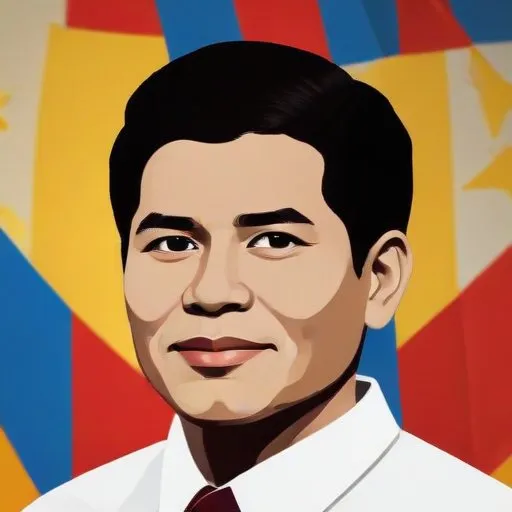
Hilario Abellana: The Fearless Filipino Leader
A Legacy of Courage and Dedication
Hilario Abellana was a Filipino Visayan lawyer, politician, and legislator from Cebu, Philippines, who left an indelible mark on the country's history. He is best known for his courageous leadership during World War II, serving as the provincial governor of Cebu from 1941 to 1943, and ultimately giving his life for his country.
Early Life and Career
Born on October 23, 1896, in Barrio Duljo, San Nicolas, Cebu, Abellana was the only son of Andres Abellana. He passed the bar exams and became a lawyer in 1920, marking the beginning of his illustrious career.
Political Career
Abellana's entry into local politics began in 1922, when he ran for municipal president of Cebu under the Democrata Party. He defeated the Nacionalista Party's candidate, Fructuoso Ramos, who had held the position for a decade. This victory marked the start of his political journey, which would take him to greater heights.
In 1934, Abellana won as a member of the House of Representatives, representing Cebu's 2nd legislative district. He was later elected as a member of the First National Assembly and the Second National Assembly of the Philippine Commonwealth, serving from 1935 to 1941.
Leadership During World War II
In 1941, Abellana became the provincial governor of Cebu, a position he held until 1943. During this tumultuous period, he demonstrated unwavering courage and dedication to his country. Despite the Japanese occupation, Abellana continued to lead his people, working tirelessly to maintain order and stability in the region.
Ultimate Sacrifice
Tragically, Abellana's bravery ultimately led to his capture and execution by the Japanese Imperial Army in 1945. His remains have never been found, a testament to the ultimate price he paid for his country's freedom.
Legacy and Impact
Abellana's selflessness and leadership have inspired generations of Filipinos. His legacy serves as a beacon of hope, reminding us of the importance of courage, dedication, and love for country.
- In honor of his sacrifice, Abellana's name has been etched in the annals of Philippine history, serving as a symbol of resistance against oppression.
- His leadership during World War II continues to inspire Filipinos to stand up against tyranny and fight for their rights.
- Abellana's commitment to his country has left an indelible mark on the nation's consciousness, reminding us of the power of selfless service.
Conclusion
Hilario Abellana's remarkable journey is a testament to the human spirit's capacity for courage, sacrifice, and dedication. His legacy continues to inspire and motivate, serving as a beacon of hope for generations to come.
FAQ
What was Hilario Abellanas role in Filipino politics?
Hilario Abellana was a Filipino politician who served as a member of the Philippine House of Representatives and the Philippine Senate. He was a vocal advocate for social and economic reform and worked to improve the lives of his constituents.
What were Hilario Abellanas notable achievements in politics?
Abellana was a key figure in the passage of several important pieces of legislation, including the Rice Tenancy Act and the Agricultural Tenancy Act. He also worked to improve the countrys education system and was a strong advocate for womens rights.
How did Hilario Abellanas background influence his political career?
Abellana came from a humble background and was raised in a rural area. This experience gave him a deep understanding of the needs and challenges faced by ordinary Filipinos, which informed his political work and advocacy.
What was Hilario Abellanas relationship like with other Filipino politicians?
Abellana was known for his ability to build strong relationships with his colleagues and was respected by his peers for his integrity and commitment to public service. He worked closely with other politicians to advance his policy goals and improve the lives of Filipinos.
How is Hilario Abellana remembered in Filipino history?
Abellana is remembered as a dedicated public servant who worked tirelessly to improve the lives of his fellow Filipinos. He is celebrated for his commitment to social and economic reform and his advocacy for the rights of marginalized communities.