


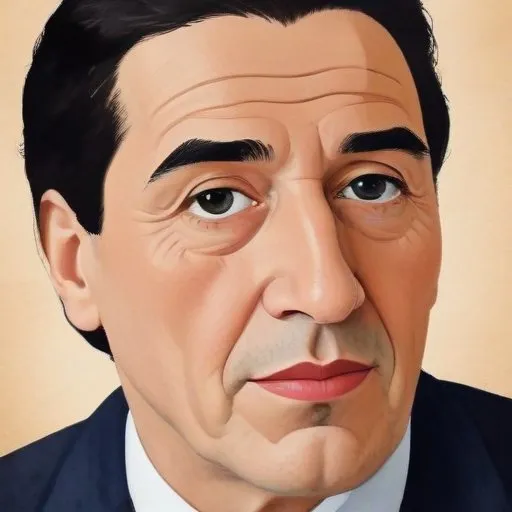
A leading figure in Spanish-language literature, known for his innovative and influential short stories that explored the human condition, often with a dark and psychological twist.
Horacio Quiroga, a Uruguayan playwright, poet, and short story writer, is best known for his eerie and captivating tales of the jungle, which often blended the supernatural with the bizarre. His works, infused with elements of magic realism, have had a profound influence on Latin American literature, inspiring the likes of Gabriel García Márquez and Julio Cortázar.
Quiroga was born on December 31, 1878, in Salto, Uruguay, to Prudencio Quiroga and Pastora Forteza, a middle-class family. Tragedy struck early in his life when his father accidentally died from a self-inflicted gunshot wound, just three months after Quiroga's birth. This event, which had a profound impact on his life, was later reflected in his writings, often exploring themes of mortality and the human psyche.
Quiroga's early interests were diverse, ranging from literature to chemistry, photography, and mechanics. He attended the National College and later the Polytechnic Institute of Montevideo, where he developed a passion for philosophy, identifying as a materialist. At 22, he discovered his love for poetry, particularly the works of Leopoldo Lugones, with whom he would later have a significant connection.
Quiroga's literary contributions are remarkable for their unique blend of psychological insight, philosophical introspection, and atmospheric jungle settings. His stories often explored the human struggle for survival, mental illness, and the blurred lines between reality and hallucination. Some of his notable works include Anaconda, The Exile and Other Stories, and The Decapitated Chicken and Other Stories.
Quiroga's influence on modern literature is undeniable. His unique style, which merged elements of magic realism, surrealism, and philosophical introspection, has inspired generations of writers, including Gabriel García Márquez, Julio Cortázar, and others. His works continue to be celebrated for their psychological depth, atmospheric settings, and thought-provoking themes.
Quiroga's life was marked by personal struggles, including a failed marriage, financial difficulties, and a streak of bad luck. However, these challenges only seemed to fuel his creative output, which continued to flourish until his untimely death on February 19, 1937. Today, Quiroga is remembered as one of the most important figures in Uruguayan literature, and his works remain a testament to his innovative spirit and imaginative genius.
Quiroga's works not only reflected the complexities of the Latin American experience but also helped shape the region's literary identity. His unique blend of magic realism, surrealism, and philosophical introspection paved the way for future generations of writers, cementing his place as one of the most influential authors in Uruguayan literature.
Born in 1899
A visionary writer who crafted intricate, philosophical tales that blurred reality and fantasy, influencing generations of authors and thinkers. 82
Born in 1914
A pioneering Argentine writer of fantasy and science fiction, known for his innovative and influential works that blend genres and explore philosophical themes.
Born in 1914
A pioneering figure in magical realism, blending fantastical elements with everyday life in his novels and short stories, exploring the human condition and social commentary.
90 Years Old
A Nobel Prize-winning writer and politician who explored the complexities of Peruvian society through his novels and essays, and later ran for president. His works often blended politics, history, and fiction.
Born in 1904
A Chilean poet and diplomat who wrote passionate and evocative poetry that explored love, politics, and the human condition, and was awarded the Nobel Prize in Literature in 1971.
Born in 1898
A Spanish poet, playwright, and director who explored themes of love, death, and Spanish culture through his works, including the famous play "Blood Wedding".
Born in 1875
A leading figure in Spanish literature, known for his innovative and influential poetry that explored themes of love, nature, and the human condition. His works are considered a bridge between modernism and the Generation of '27.
