


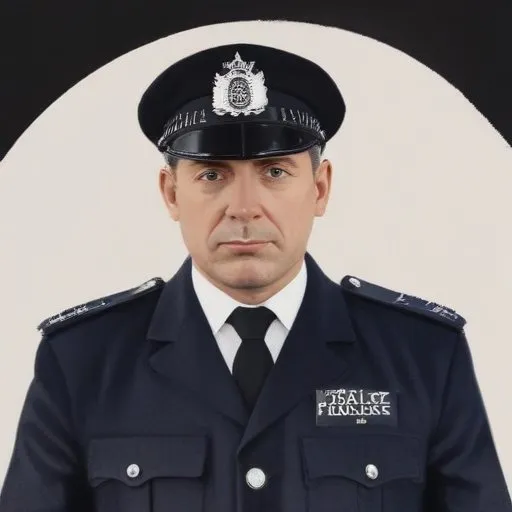
A former Chief Constable of the Police Service of Northern Ireland, he oversaw the transition from a paramilitary to a civilian police force, earning international recognition for his efforts.
Hugh Orde, a name synonymous with British policing, is renowned for his remarkable career as the President of the Association of Chief Police Officers (ACPO) and the Chief Constable of the Police Service of Northern Ireland (PSNI). As a stalwart figure in the law enforcement community, Orde's unwavering dedication to public service has left an indelible mark on the country's policing landscape.
Orde's journey in policing began in 1977 when he joined London's Metropolitan Police Service. He rapidly rose through the ranks, becoming a Superintendent in the Territorial Support Group. His impressive tenure was marked by significant contributions to high-profile cases, including the Stephen Lawrence murder enquiry and the Stevens Report, which investigated government collusion in sectarian killings in Northern Ireland.
Orde's outstanding services to policing earned him several prestigious awards, including an Officer of the Order of the British Empire (OBE) in 2001 and a knighthood in 2005. He was also awarded the Queen's Police Medal in 2010, further solidifying his reputation as a distinguished police officer.
As the Chief Constable of PSNI, Orde played a pivotal role in shaping the organization's strategy to tackle dissident Irish republican campaigns. His leadership and vision helped to reduce violence in Northern Ireland, making him a respected figure in the region's complex political landscape.
In a 2010 speech at Oxford, Orde sparked debate by suggesting that the UK had reached an "acceptable level of violence" in Northern Ireland. This provocative statement reflected his nuanced understanding of the region's complexities and his commitment to finding innovative solutions to entrenched problems.
Sir Hugh Orde's remarkable career spans over four decades, during which he has been instrumental in shaping the course of British policing. His unwavering commitment to public service, coupled with his visionary leadership, has inspired generations of police officers and policymakers alike. As a testament to his enduring legacy, Orde's contributions continue to influence policing strategies and community engagement initiatives in the UK and beyond.
Sir Hugh Orde's extraordinary career serves as a beacon of inspiration for anyone committed to public service. Through his groundbreaking work in policing, Orde has left an indelible mark on British history, and his legacy continues to shape the country's social and political landscape.
72 Years Old
A British police officer who served as the Commissioner of the Metropolitan Police Service from 2009 to 2011, known for his efforts to reform the police force and tackle organized crime.
73 Years Old
Former Commissioner of the Metropolitan Police Service, overseeing London's police force and implementing significant reforms, particularly in counter-terrorism and community policing.
86 Years Old
A pioneering free jazz drummer, known for his improvisational skills and collaborations with influential musicians like Evan Parker and Derek Bailey.
46 Years Old
A talented bassist who played with iconic bands like Coheed and Cambria, and was a key contributor to their unique sound. Known for his energetic stage presence and intricate bass lines.
