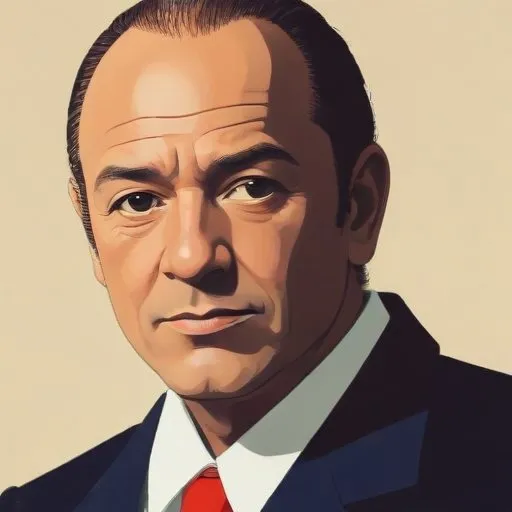
Humphrey Cobb: The Visionary Screenwriter and Novelist
A Legacy of Anti-War Literature and Cinematic Excellence
Humphrey Cobb is renowned for his powerful and thought-provoking novel,
Paths of Glory, published in 1935, which was later adapted into an acclaimed anti-war film by the legendary director
Stanley Kubrick in 1957. This critically acclaimed work cemented Cobb's status as a prominent figure in the world of literature and cinema.
Early Life and Military Service
Born in Siena, Italy, on September 5, 1899, Cobb was the son of American parents, Arthur Cobb, an artist, and Alice Littell Cobb, a physician. His parents sent him to school in England for his primary education, and at the age of 13, he returned to the United States to continue his schooling. In 1916, after being expelled from high school at the age of 17, Cobb relocated to Montreal, Canada, to enlist in the Canadian Army, a year before the United States entered World War I. He served for three years during the conflict, including duty on the front lines at the Battle of Amiens in France in 1918.
A Diverse Career and Literary Pursuits
Following the war, Cobb worked a variety of jobs, including in the stock trade, merchant marine, publishing, advertising, and the US Office of War Information, where he wrote overseas propaganda. It was during his tenure at the Young & Rubicam advertising agency in New York that he wrote
Paths of Glory. Cobb's writing was deeply influenced by his experiences during World War I, and his novel is a powerful critique of the military establishment.
Notable Works and Achievements
Cobb's
Paths of Glory is widely regarded as a classic of anti-war literature. The novel tells the story of three French soldiers who are court-martialed and executed to save senior commanders from shame, a theme that resonated deeply with Cobb's own experiences during World War I. Apart from his literary pursuits, Cobb was also a skilled screenwriter, credited as a co-writer of the 1937 film
San Quentin, starring Humphrey Bogart.
Personal Life and Legacy
Cobb married Annie Louise Hubbard, and the couple had two children, William and Alice. His sister, Dr. Virginia Cobb, was a notable figure in her own right. Tragically, Cobb's life was cut short when he died of coronary thrombosis at his home in Port Washington, New York, on April 25, 1944.
Lasting Impact on Literature and Cinema
Humphrey Cobb's legacy extends far beyond his individual works. His writing and cinematic pursuits have had a lasting impact on the way we think about war, politics, and humanity. His contributions to the world of literature and cinema continue to inspire new generations of writers, directors, and thinkers. As a testament to his enduring influence, Cobb's work remains a powerful reminder of the devastating consequences of war and the importance of human compassion.
FAQ
What was Humphrey Cobbs role in American literature?
Humphrey Cobb was an American author and screenwriter who wrote novels and screenplays that often explored themes of war, politics, and social justice.
What was Cobbs most notable work?
Humphrey Cobb is best known for his novel Paths of Glory, which was adapted into a film directed by Stanley Kubrick in 1957.
What was Cobbs early life like?
Humphrey Cobb was born on September 5, 1899, in Siletz, Oregon, and began his writing career as a journalist before serving in World War I.
What was Cobbs involvement in the Hollywood film industry?
Humphrey Cobb worked as a screenwriter in Hollywood, collaborating with directors such as Stanley Kubrick and William Wyler on films such as Paths of Glory and The Desperate Hours.
What legacy did Humphrey Cobb leave behind?
Humphrey Cobbs legacy is marked by his contributions to American literature, his exploration of social justice themes, and his influence on generations of writers and filmmakers.