


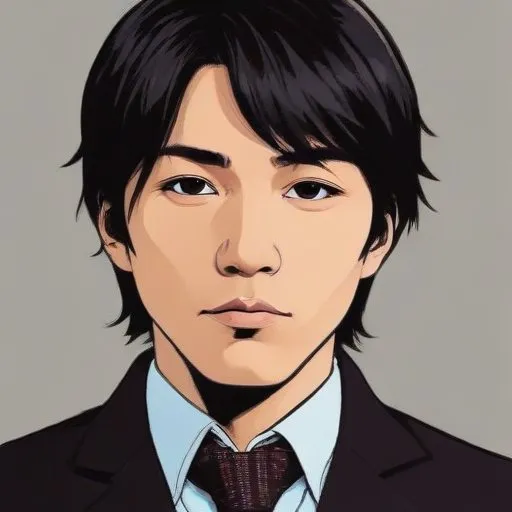
A pioneering female writer of Meiji-era Japan, known for her poignant and insightful short stories that explored the lives of women and the poor, offering a rare glimpse into the country's rapidly modernizing society.
Ichiyō Higuchi, known by her pen name Ichiyō, was a trailblazing Japanese writer who defied the conventions of her time to become Japan's first professional female writer of modern literature. Her remarkable contributions to Japanese literature, poetry, and diarism have left an indelible mark on the country's cultural heritage.
Born on May 2, 1872, in Tokyo, Ichiyō was the fourth child and second daughter of Noriyoshi Higuchi, a samurai, and Ayame Taki Furuya. Despite being from a peasant community in Yamanashi Prefecture, her father's samurai status had a profound impact on her formative years. The abolition of the samurai caste with the Meiji Restoration did not diminish the values and discipline instilled in her by her father.
In 1886, Ichiyō began studying waka poetry at the prestigious Haginoya private school, run by Utako Nakajima. Under the guidance of Nakajima, she developed a deep appreciation for Japanese literature and poetry. The school's emphasis on conservative court poetry of the Heian period helped shape her literary style. Her innate talent and dedication earned her recognition in the school's monthly poetry competitions, where she competed with students from affluent backgrounds.
By 1891, Ichiyō's compulsion to write had intensified, and she began keeping a diary that would eventually span hundreds of pages, covering five years of her life. This intimate reflection of her thoughts, feelings, and experiences serves as a testament to her resilience and determination. Her diary was a sanctuary where she could express her opinions, hopes, and fears, and assert her individuality in a society governed by strict social hierarchies.
Ichiyō's remarkable literary prowess is evident in her short stories and poetry, which often explored themes of social inequality, love, and the human condition. Her works were revolutionary for their time, offering a glimpse into the lives of ordinary people and challenging the status quo. Her portrait on the 5000 yen banknote is a fitting tribute to her groundbreaking achievements.
Ichiyō's pioneering spirit paved the way for future generations of Japanese women writers. Her commitment to her craft and her willingness to challenge societal norms have made her an icon in Japanese literature. Her influence extends beyond literature, inspiring countless women to pursue careers in the arts and challenging traditional gender roles.
"The world is a prison, and we are all prisoners." - Ichiyō Higuchi
Ichiyō's remarkable story is a testament to the power of determination, creativity, and resilience. Her trailblazing spirit continues to inspire generations, and her contributions to Japanese literature remain an integral part of the country's cultural heritage.
Born in 1892
A leading figure in Japanese literature, known for his dark, psychologically complex short stories that explored the human condition, often incorporating elements of mystery and horror.
Born in 1886
A celebrated author of novels and essays that explore the intersection of Japanese culture and Western modernity, known for his lyrical prose and nuanced explorations of identity.
Born in 1909
A prominent post-war Japanese author, known for his dark, semi-autobiographical novels and short stories that explored themes of alienation, identity, and the human condition.
Born in 1899
A Japanese novelist and short story writer who explored the human condition through lyrical and poignant tales, often focusing on the intricacies of Japanese culture and the fragility of life.
Born in 1896
A celebrated Japanese poet and author, known for his poignant and imaginative works that often explored themes of social justice, morality, and the human condition.
77 Years Old
A Japanese literary master crafting surreal, psychologically complex tales that blend fantasy and reality, exploring themes of identity, alienation, and the human condition.
